By. Dr. Sean Delanghe BSc. (Hons) DC
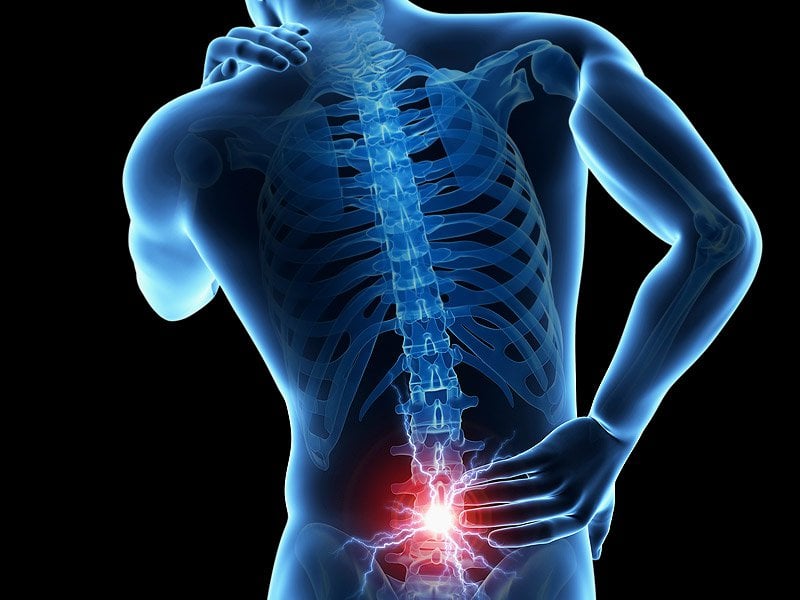
Chronic lower back pain is persistent pain in the lower back that lasts more than 12 weeks. It is complex and not just a structural issue. It also involves pain sensitivity, deconditioning, and movement avoidance patterns.
Does exercise help with it? To no surprsise, the answer is yes…but perhaps not in the way many people think.
A recent Cochrane systematic review (highest quality evidence out there) by Hayden et al. examined the effectiveness of exercise for chronic non-specific low back pain. The review included hundreds of randomized controlled trials involving thousands of participants, making it one of the most comprehensive analyses available on the topic.
Here is what they found:
Exercise Works
Compared to no treatment, placebo interventions, or usual care, exercise produced meaningful improvements in pain and modest improvements in function.
- Pain improved by approximately 15 points on a 100-point scale.
- Functional ability also improved, although the average change was smaller.
- Overall, exercise was found to be an effective treatment for chronic low back pain.
Importantly, these benefits were seen across a wide variety of exercise approaches rather than being limited to one specific method.
Is One Type of Exercise Best?
This is where the findings become particularly interesting.
The review found that most exercise approaches appear to be effective, including:
- Strength training
- Aerobic exercise
- Motor control exercises
- Yoga
- Pilates
- McKenzie exercises (repeated postures that are suspected to improve your pain- i.e. extensions with disc injuries)
- Flexibility programs
- Multimodal exercise programs
While some previous analyses suggested that Pilates, McKenzie-based exercise, and functional restoration programs may provide slightly greater improvements in pain and disability, the differences between exercise types were generally small.
In other words, no single exercise approach consistently outperformed all others. Not sure exactly what to do? Just get active and figure it out as you go!
Specific Exercises vs General Exercise
One of the biggest takeaways from the review is that the benefits of exercise may be less about the exact exercises performed and more about simply becoming active and progressively increasing movement capacity.
This challenges the common belief that patients must find the “perfect” exercise program to recover. While exercise selection still matters, the evidence suggests that many different approaches can be successful when they are performed consistently and progressed appropriately.
The review supports a more flexible approach where exercise can be tailored to the patient’s preferences, goals, physical abilities, and symptom presentation rather than forcing everyone into the same program.
Why Does Exercise Help?
Exercise likely works through multiple mechanisms.
Physical benefits may include:
- Increased strength and endurance
- Improved movement tolerance
- Better spinal and whole-body conditioning
- Progessively challenging tissues to handle load again
Psychological and neurological benefits may include:
- Reduced fear of movement
- Increased confidence in the back
- Improved self-efficacy
- Positive effects on pain processing
This may help explain why many different exercise approaches can produce similar outcomes.
Is Exercise Safe?
The review found that exercise is generally very safe for people with chronic low back pain.
Reported adverse events were uncommon and were usually limited to:
- Temporary increases in soreness
- Mild increases in back pain
- Exercise-related discomfort
Serious adverse events were rarely reported.
Practical Applications
For clinicians and patients, the message is fairly straightforward:
- Exercise should be considered a first-line treatment for chronic low back pain.
- Most exercise approaches are likely beneficial.
- No single exercise method has proven to be universally superior.
- Consistency and long-term adherence appear to be more important than finding the perfect exercise.
- Programs should be individualized based on patient goals, preferences, and physical capacity.
Bottom Line
Exercise is one of the most effective non-pharmacological treatments for chronic low back pain. While certain approaches such as Pilates, McKenzie therapy, and functional restoration programs may have slight advantages, the overall evidence suggests that most forms of exercise can help.
One key thing is it’s hard to get super specific with a diagosis in a large scale study, so the specificty of a plan tailored to your injury might be more worthwhile than this review shows
That being said, the best exercise program is often not the most specialized program. Really what you want to look for is the plan that you are willing to do, and will enjoy doing consistently over a long period of time.
Chose something specific to your injury if that overlaps with what you are willing and want to do, but more than anything, go with the plan that you enjoy the most! Keep moving regularly. Build tolerance to load over time. Be patient, and good things will happen!
If you want to review how to implement exercise into your low back pain managemnet program- feel free to contact or book with one of our Waterloo based chiropractors, physiotherapists or RMTs HERE.
Comments are closed here.