Glucosamine is a naturally occurring amino sugar that is found in the human body and is involved in the formation and repair of cartilage, particularly within joints. As a supplement, it is most commonly used by individuals with osteoarthritis in the hope that it can slow cartilage breakdown, improve joint function, and reduce pain. It is often sold as glucosamine sulfate or glucosamine hydrochloride, sometimes combined with chondroitin sulfate, another compound found in cartilage.
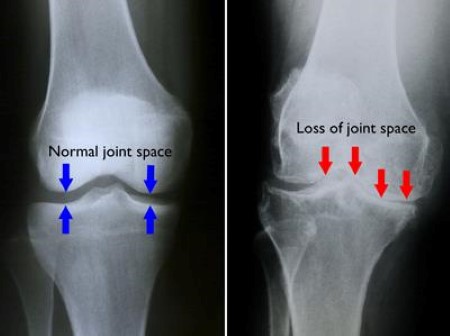
How is glucosamine thought to work (theoretical mechanism)?
The proposed mechanisms (mostly based on laboratory and animal studies, not strong human evidence) include:
- Serving as a building block for glycosaminoglycans, which are components of cartilage
- Potentially stimulating cartilage repair or slowing breakdown
- Possible anti-inflammatory effects within the joint
- Reducing activity of enzymes that degrade cartilage (e.g., matrix metalloproteinases)
However, it is important to note that these mechanisms are largely theoretical in humans, and the clinical effect in real-world trials has been uncertain.
Study
The GAIT (Glucosamine/Chondroitin Arthritis Intervention Trial) was a large, high-quality clinical trial funded by the U.S. National Institutes of Health (NIH). It was designed to rigorously test whether glucosamine, chondroitin sulfate, or their combination could reduce pain and improve function in patients with knee osteoarthritis. It is considered the gold standard study on this topic!
What it included:
- Randomized, double-blind, placebo-controlled trial
- Total participants: 1,583 patients with knee osteoarthritis
- Duration: 24 weeks
- Treatment groups:
- Glucosamine hydrochloride (1500 mg/day)
- Chondroitin sulfate (1200 mg/day)
- Combination of both
- Celecoxib (NSAID active control)
- Placebo
- Primary outcome: ≥20% reduction in knee pain
The inclusion of celecoxib was important because it acted as a benchmark to confirm the trial could detect real treatment effects if they existed.
Results:
Primary outcomes
- No statistically significant difference between placebo and:
- Glucosamine alone
- Chondroitin alone
- Glucosamine + chondroitin
Active control
- Celecoxib showed a clear and statistically significant reduction in pain compared to placebo
- This confirmed the study design was sensitive enough to detect true analgesic effects
- In other words- it glucosamine + chondroitin was going to work, the study would have shown it!
Subgroup analysis
- In patients with moderate-to-severe baseline pain:
- Combination glucosamine + chondroitin showed a higher response rate than placebo
- This effect was:
- Not consistent across all analyses
- Considered hypothesis worth studying more, but definitely not definitive
Secondary outcomes
- No meaningful or consistent improvement in:
- Physical function
- Joint stiffness
- Overall osteoarthritis symptom scores
Safety outcomes
- Glucosamine and chondroitin were generally:
- Well tolerated
- Similar adverse event rates compared to placebo
- No major safety concerns identified
Practical Applications
In the end, this study showed that despite biologically plausible mechanisms, glucosamine (with or without chondroitin) did not provide meaningful clinical benefit for most patients with knee osteoarthritis.
While there was a possible signal of benefit in a subgroup with more severe pain, this was not strong or consistent enough to change overall conclusions. Celecoxib’s positive results supported the validity of the trial design, strengthening confidence in the negative findings for glucosamine.
In the end it’s safe to try glucosamine, but go in knowing that you will likely not see any change, and if you do notice a change, it’s very likely identical to what a placebo would provide.
Comments are closed here.