Waterloo Chiropractor, Waterloo Physiotherapist, and Massage Therapist (RMT)

Archives

Sean Delanghe

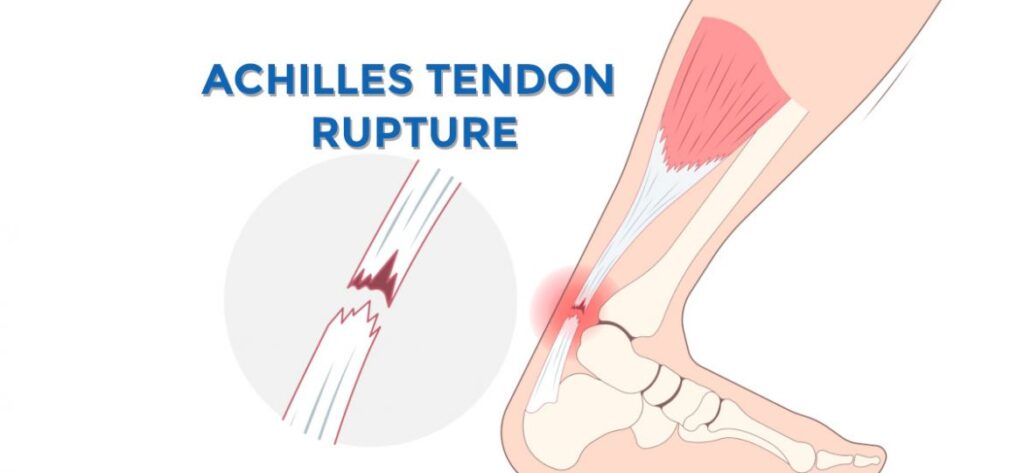
It can be a scary thing when you rupture your Achilles tendon! Yes recovery can be a long process, but virtually full recovery is possible in many case. The interesting thing that many don’t realize however is that OFTEN rehab is just as good as surgery– which is something this 2019 review study looked at.

Objective

The aim of this systematic review and meta-analysis was to compare operative and nonoperative treatments for acute Achilles tendon rupture. The authors focused on differences in tendon re-rupture rates, complication rates, return to work, and functional recovery between treatment approaches.

Study Design

The authors searched several medical databases to identify randomized controlled trials comparing surgical and nonoperative management of acute Achilles tendon rupture.

  • Fourteen randomized controlled trials were included, representing a total of 1,628 patients.
  • The average follow-up period across studies ranged from 6 months to over 2 years.
  • Outcomes analyzed included re-rupture rates, overall complication rates, Achilles Tendon Total Rupture Score (ATRS), ankle range of motion, and time to return to work.

This was a well designed study!

Results


The overall re-rupture rate was significantly lower in the open surgical group compared to the nonoperative group, with re-rupture occurring in approximately 1 to 3 percent of surgically treated patients versus about 6 to 12 percent of nonoperatively treated patients.
• Minimally invasive surgical repair also showed a lower re-rupture rate than nonoperative treatment, with re-rupture rates closer to those seen with open surgery.
• Open surgical repair was associated with a higher rate of complications, with overall complication rates reported between 10 and 20 percent, including wound infection, delayed healing, and nerve injury.
• Nonoperative treatment showed lower rates of these surgical complications, generally below 5 percent.
• Minimally invasive surgery demonstrated complication rates similar to nonoperative treatment and lower than open surgery.
Functional outcomes, including ATRS scores, showed no statistically significant difference between operative and nonoperative groups at final follow-up, with most studies reporting ATRS scores in the range of 80 to 90 points for both groups.
• Measures of ankle range of motion and calf strength were also similar between groups.
Patients treated with minimally invasive surgery returned to work earlier, on average 1 to 3 weeks sooner, compared to those treated nonoperatively.

How does this apply to you?

This review found that surgical treatment of acute Achilles tendon rupture reduces the risk of tendon re-rupture compared with nonoperative management but increases the risk of complications, particularly with open surgery. Minimally invasive surgical techniques appear to balance lower re-rupture rates with fewer complications and may allow an earlier return to work.

That being said, long-term functional outcomes were similar between surgical and nonoperative treatments, suggesting that both approaches can lead to comparable recovery when appropriate rehabilitation is provided.

So this isn’t a one-option fits all treatment. Do you have a daily life that puts you at risk for re-rupture? Do you have a less active/ risky lifestyle with a high need to get back to work ASAP? These are the types of questions you want to ask yourself when making the choice that’s right for you.

If you have more questions or you want to book with one of our physiotherapists based in Waterloo, you can do so HERE.

Today we’re looking at a systematic review that looked at strength training and its impact on adolescent idiopathic scoliosis- you can check out the full text HERE.

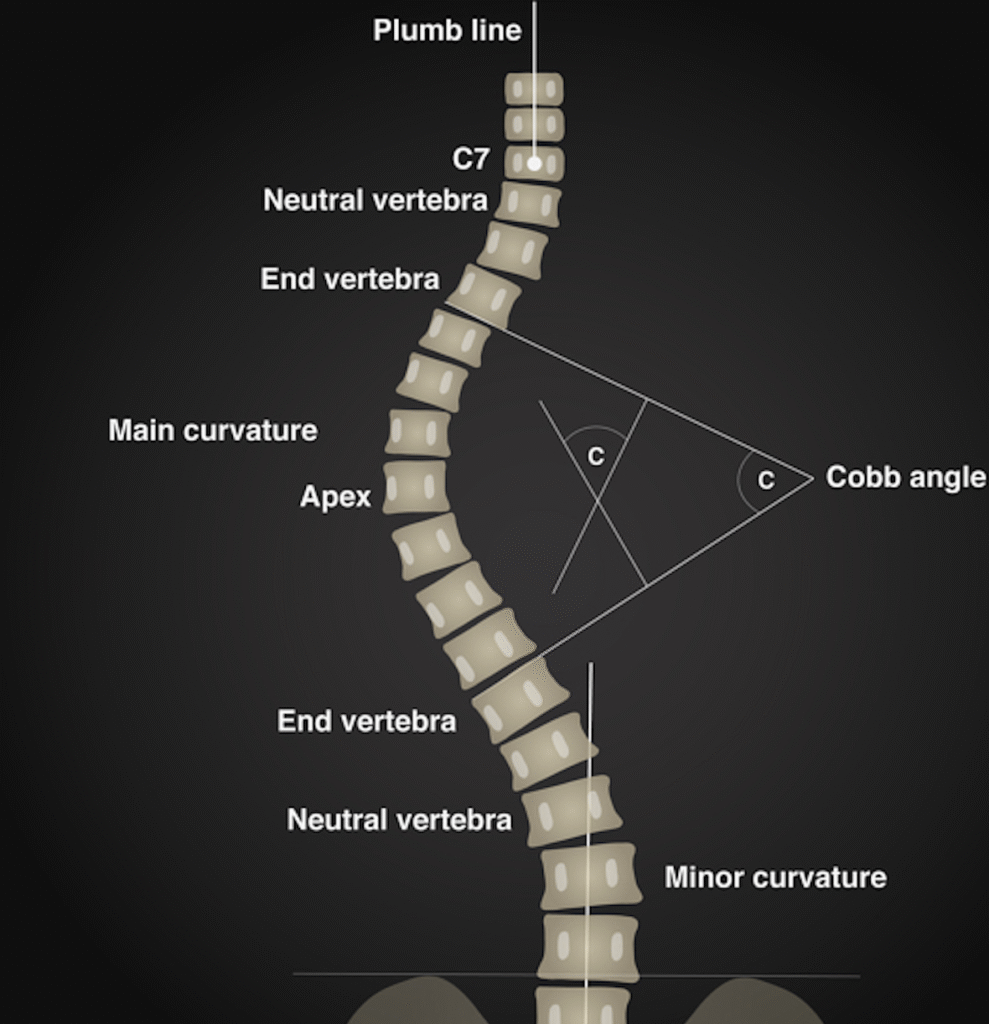
AIS is the form of scoliosis that develops in otherwise healthy teenagers for no obvious reason and is thought to have a genetic component, although no single genetic cause has been identified. It differs from scoliosis caused by congenital spine malformations, neuromuscular disorders, or age-related degeneration (we re not talking about these with this study). Scoliosis is defined as a lateral spinal curvature of 10° or more on Cobb angle measurement with vertebral rotation- and the vast majority of cases are AIS (80%)!

Sudy:
The authors analyzed data from 10 randomized controlled trials involving 449 adolescents (average age ~13.3 years, average baseline Cobb angle ~22.9°). Interventions ranged from 8 weeks to 6 months and compared strength training programs to no training or other exercise regimens.

Results
Compared with no intervention, strength training produced:

  • A mean reduction in Cobb angle of about 4.37° and improvements in trunk rotation (–1.07°) and vertebral rotation (–0.44°).
  • In quality of life as measured by the SRS‑22 questionnaire, mean scores improved by about 0.22 points.

When compared against exercise programs specifically designed for scoliosis correction, such as three-dimensional and Schroth-type exercises, strength training was less effective: the scoliosis-specific programs produced greater improvements in Cobb angle by about 3.95°, trunk rotation by about 1.69°, and aesthetic scores by about 0.89.

These findings indicate that while strength training has measurable benefits beyond inactivity, more targeted scoliosis-specific programs may achieve larger changes.

Practical applications
If you have AIS, do strength work! The data suggest strength training can moderately reduce curvature and improve patient-reported outcomes compared to no intervention, but it may not be as effective as specialized corrective exercise programs.

Surgery and risk of progression

I always get asked about surgery, when and if it is needed. Surgical intervention for AIS is generally considered when curves exceed approximately 45°–50° Cobb angle, especially if progression is likely or rapid while the patient is still growing. If you’re not close to this angle, you should be actively monitored as you grow, but you are not at risk for needing the surgery!

After skeletal maturity, when growth plates close and height velocity ceases, the risk of curve progression decreases substantially. Sometimes larger curves (>30°–40°) may still progress slowly into adulthood, but the main group we are concerned with are those who are still growing! If you have a relatively small angle and you are full grown, your risk of progression is extremely low (but you should still do strength work)!

Conclusion
Strength training can be beneficial for adolescents with mild to moderate AIS in reducing curve magnitude and improving quality of life compared to inactivity- you can’t go wrong with strengthening your spine!

If you have questions, feel free to contact with us to book online HERE.

Book your appointment

Contact us to book your next appointment

Call Us 519 885 4930