By Dr. Sean Delanghe BSc (Hans), DC
Anybody who has had plantar fasciitis knows how annoying and painful it can be. A common treatment we see out there is the use of therapeutic ultrasound- but does it actually help? That’s what this 2025 meta analysis looked at.
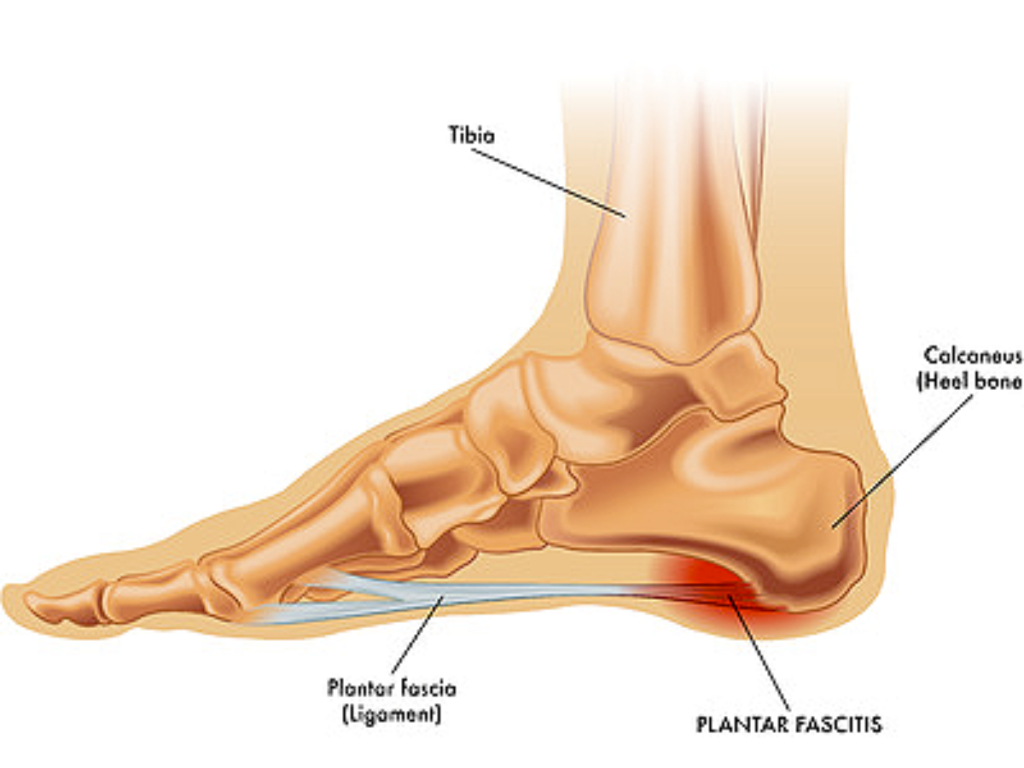
Plantar fasciitis is a common cause of heel pain that is often associated with overuse, repetitive loading, and biomechanical factors. The attachment at the heal biomes irritated, and the pain can sometimes be debilitating – especially in the mornings!
The authors performed a meta-analysis of 13 clinical trials including 594 participants. The main outcomes of interest were pain intensity and foot function. Pain was measured using visual analog and numeric pain scales, while function was assessed using the Foot Function Index (FFI) and the American Orthopaedic Foot and Ankle Society (AOFAS) score.
Key Findings
Pain intensity
- Ultrasound alone did not show a statistically significant improvement in pain compared with no treatment.
- Adding ultrasound to conventional physical exercise programs did not provide additional pain relief compared with exercise alone.
- When ultrasound plus exercise was compared with other interventions combined with exercise, some statistically significant differences were observed, but these generally favoured the other treatment groups.
In general, the authors concluded that ultrasound is not reliable as a primary modality for reducing plantar fasciitis pain.
Foot function
- Ultrasound combined with exercise may provide small improvements in foot function when measured using the Foot Function Index.
- Results were inconsistent across functional outcome measures.
- There was no statistically significant difference in AOFAS scores between treatment groups in some analyses.
Mechanism of Action Discussion
The authors discussed potential biological effects of ultrasound therapy. Ultrasound may promote tissue healing through both thermal and non-thermal mechanisms. Thermal effects may improve local blood circulation, while non-thermal effects such as cavitation and micromassage may influence cellular activity and inflammation.
However, the heat generated by therapeutic ultrasound may not be sufficient to produce meaningful clinical effects in plantar fascia tissue over short treatment periods. Low-intensity pulsed ultrasound has been studied in other conditions and may have anti-inflammatory and tissue repair effects, but evidence in plantar fasciitis remains limited.
Plus- how much better is any of this than just applying a heating pad and loading the tissue with exercise?
Limitations
As with most research for muscle and joint pain, more research is always needed!
- Only 13 studies were included, and high-quality randomized controlled trials were limited.
- There was significant variation in ultrasound treatment parameters such as frequency, intensity, and treatment duration.
- Many of the trials were many years (and decades) old!
Practical Applications
Therapeutic ultrasound, whether used alone or combined with conventional exercise programs, does not appear to provide meaningful pain reduction in plantar fasciitis. Ultrasound may have a small positive effect on foot function, but the clinical significance of this finding is uncertain. More high-quality randomized trials are needed…but if I had to bet, it’s likely just a waste of time trying it when strengthening and progressive loading is so much more effective and important!
If you have plantar fasciitis and have questions about how to fix it, feel free to contact one of our Waterloo-based physiotherapists or chiropractors HERE.
Comments are closed here.