Waterloo Chiropractor, Waterloo Physiotherapist, and Massage Therapist (RMT)

Category

General

What Was the Study About?

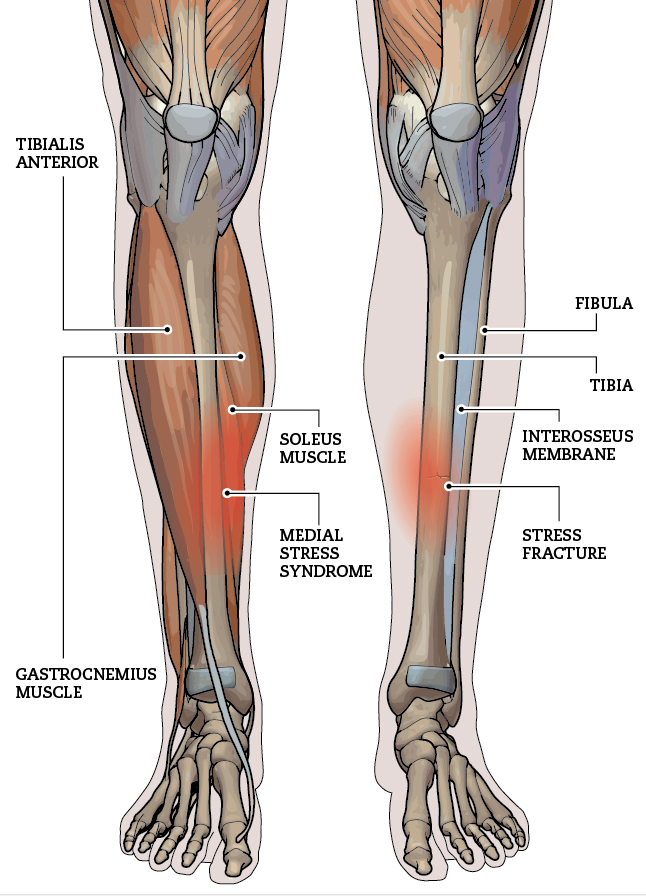
Tibial stress fractures (TSFs) are common overuse injuries in runners. They happen when repeated force on the shinbone causes tiny cracks that outpace the body’s ability to repair them. Many clinicians and coaches think that the way someone runs – their biomechanics – might influence who gets these injuries. This 2023 review study set out to find out whether runners with TSFs really move differently from runners without them.
How Did They Study It?

The authors searched major research databases for studies that compared running mechanics between injured runners and healthy controls. They found 359 possible papers, but only 14 met strict criteria for analysis. Most of these studies were retrospective (looking back at runners after injury) and had small sample sizes- so as always, more research that prospective and more controlled would be nice!

What Did They Find?

When all the data were combined:

  • There were no significant differences in ground reaction forces between runners with TSFs and uninjured runners. In other words, impact and braking forces were similar in both groups.

Some individual studies did find differences in variables like tibial stress, tibial acceleration, rearfoot motion, or hip movement, but these findings were not consistent across studies.

What Does This Mean?

Based on the best available evidence:

  • We can’t confidently say that runners with tibial stress fractures have a distinct running biomechanics profile.
  • Current studies are too small and too varied to draw strong conclusions.
  • Larger, better‑designed research is needed to clarify whether specific movement patterns truly increase the risk of TSFs.
  • In the meantime- stick with the things we KNOW related to printing stress fractures:
    • Adequate caloric intake
    • Vitamin D supplementation
    • Adequate calcium intake
    • Strength work
    • Being smart with your training load- building slowly, taking recovery days and weeks strategically

If you have any questions about pain you’ve been feeling- feel free to contact our Waterloo based chiropractors, physiotherapists or book online HERE.
What is costochondritis?
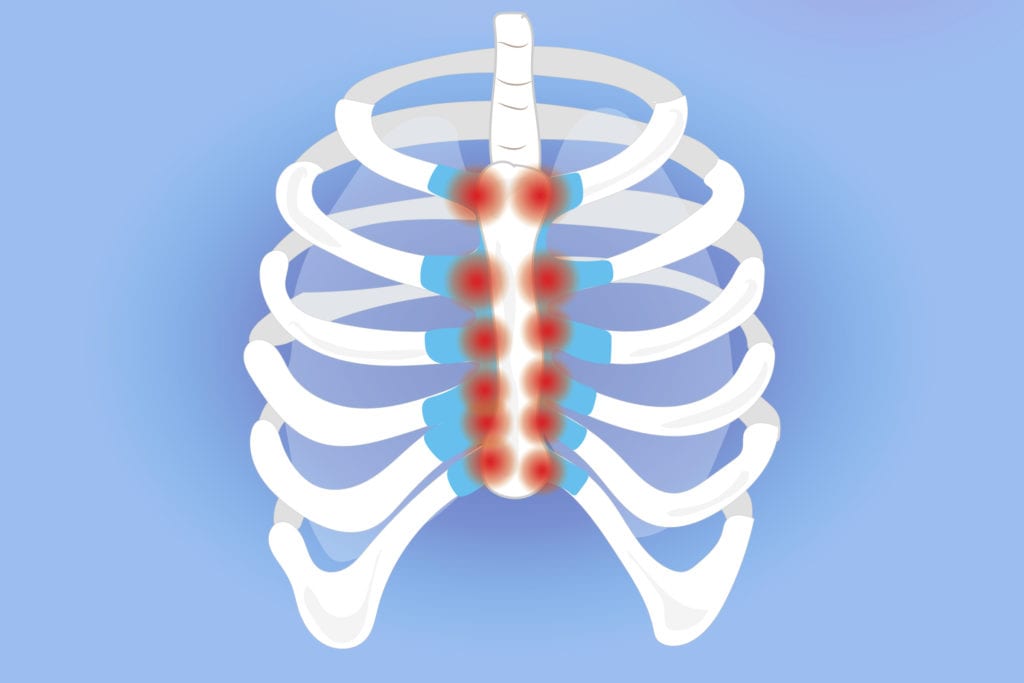
Costochondritis is inflammation of the cartilage where the ribs attach to the sternum. It causes localized chest wall pain that can mimic heart-related pain but is not caused by cardiac disease. This summary takes an in-depth look at the most up to date research regarding this condition.

It is considered one of the more common musculoskeletal causes of chest pain and may account for up to about 30 percent of noncardiac chest pain cases seen in some clinical settings.

Clinical presentation
-Pain is usually localized and reproducible with palpation over the affected costosternal or costochondral joints.
-The pain may be sharp or aching.
– Symptoms often worsen with movement, deep breathing, or pressure on the chest wall.
– There is usually no visible swelling, redness, or systemic symptoms such as fever.

Diagnosis
– There is no specific laboratory test or imaging study that confirms costochondritis.
– Diagnosis is clinical and based primarily on history and physical examination.
– A key diagnostic feature is reproduction of pain with palpation of the anterior chest wall.
– Cardiac and other serious causes must first be excluded, especially in higher-risk patients.

Management
– Initial treatment is conservative and may include:
Analgesics such as acetaminophen and Nonsteroidal anti-inflammatory drugs (talk do your doctor!)
– Relative rest and activity modification is key. Complete rest isn’t good, but continuing with the activities that aggravate the condition do not allow for it heal!

Physiotherapy is also a crucial part of the management of this condition. Some examples include:

  • Stretching and mobility exercises
    These focus on improving chest wall and thoracic spine mobility.
    • Examples include:
      Pectoral stretching, such as doorway stretches
      Thoracic extension and mobility exercises
      Breathing-based mobility drills to reduce rib cage stiffness
  • Manual therapy
    • Performed by trained clinicians, this may include:
    • Soft tissue mobilization of the chest wall and surrounding musculature
    • Joint mobilization of the ribs and thoracic spine
    • Trigger point release and myofascial techniques
    • Rib mobilization techniques to normalize movement

Some small clinical studies and case series suggest that combining manual therapy with therapeutic exercise can reduce pain and improve function the most, but as always more research is needed!

Main takeaway
Costochondritis is an important and relatively common cause of noncardiac chest pain. It is diagnosed clinically after ruling out more serious co

nditions. Management is usually conservative and may include medication, rest, and targeted physical therapy interventions aimed at improving chest wall mobility, posture, and muscle function.

If you have questions about your pain, feel free to contact one of our Waterloo based chiropractors or physiotherapists, or book online HERE.

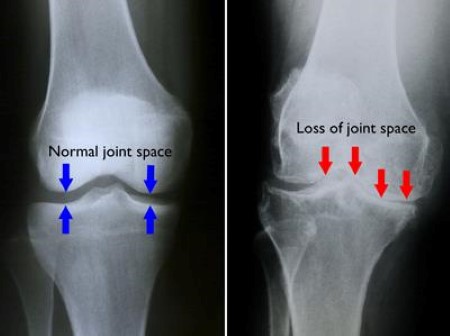
I’ve written about it before, but it’s time for another update! Sure, running can be linked to short and moderate term problems like tendonitis, but what about longterm wearing out of your joints even if you do everything right? That’s what THIS 2023 systematic review looked at.

The Study
This study is a systematic review, meaning the authors collected, analyzed and combined results from many of the previous highest quality studies looking at runners and non-runners to see whether running affects the development of knee osteoarthritis (OA). The review included 17 studies with over 14,000 participants. Knee health was assessed using imaging (such as X-rays or MRI) and patient-reported outcomes like pain and function.

Key results:
Knee pain was reported more often in non-runners than in runners.
– Most studies found no meaningful differences in structural knee osteoarthritis (such as joint space narrowing or OA severity on imaging) between runners and non-runners.
– One study reported more bone spurs (osteophytes) in runners, but this finding was not consistent across other studies.
– Some evidence suggested that non-runners had a higher risk of needing knee replacement surgery than runners.

Practical Applications:

Our bodies are meant to move! This review shows that running does not appear to increase the risk of developing knee osteoarthritis. Running was not associated with worse imaging findings and may be linked to less overall knee pain compared to not running.

That doesn’t mean runners will not develop OA, but it does mean that odds are running is not to blame if it does. It also shows that there’s a chance that running helps to reduce general pain and reduce the odds of needing replacement down the road.

There are obviously many caveats to this- such as if you currently have severe OA it’s probably not a good time to start running. Talk to your health practitioner about of this research applies to you. However, what this review does tell us is the blanket statement of “running wears out knees” simply isn’t true!

If you have more questions, feel free to contact us HERE.

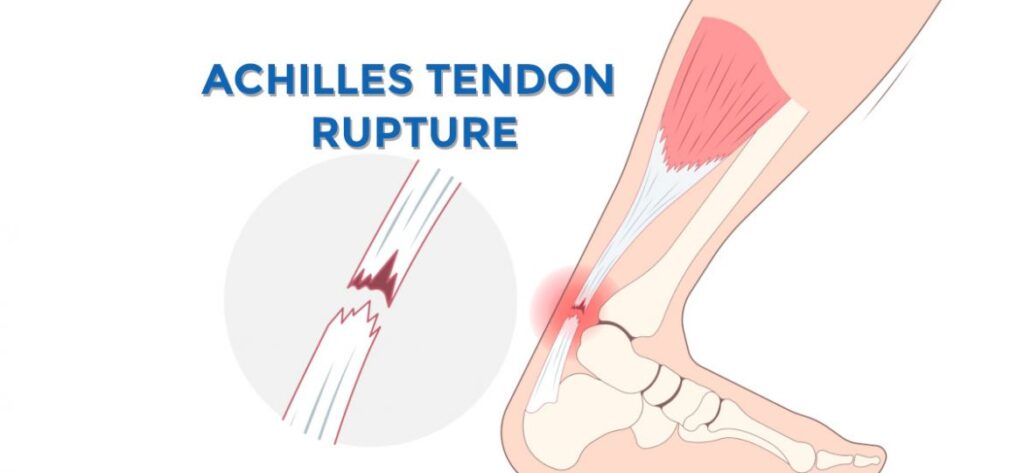
It can be a scary thing when you rupture your Achilles tendon! Yes recovery can be a long process, but virtually full recovery is possible in many case. The interesting thing that many don’t realize however is that OFTEN rehab is just as good as surgery– which is something this 2019 review study looked at.

Objective

The aim of this systematic review and meta-analysis was to compare operative and nonoperative treatments for acute Achilles tendon rupture. The authors focused on differences in tendon re-rupture rates, complication rates, return to work, and functional recovery between treatment approaches.

Study Design

The authors searched several medical databases to identify randomized controlled trials comparing surgical and nonoperative management of acute Achilles tendon rupture.

  • Fourteen randomized controlled trials were included, representing a total of 1,628 patients.
  • The average follow-up period across studies ranged from 6 months to over 2 years.
  • Outcomes analyzed included re-rupture rates, overall complication rates, Achilles Tendon Total Rupture Score (ATRS), ankle range of motion, and time to return to work.

This was a well designed study!

Results


The overall re-rupture rate was significantly lower in the open surgical group compared to the nonoperative group, with re-rupture occurring in approximately 1 to 3 percent of surgically treated patients versus about 6 to 12 percent of nonoperatively treated patients.
• Minimally invasive surgical repair also showed a lower re-rupture rate than nonoperative treatment, with re-rupture rates closer to those seen with open surgery.
• Open surgical repair was associated with a higher rate of complications, with overall complication rates reported between 10 and 20 percent, including wound infection, delayed healing, and nerve injury.
• Nonoperative treatment showed lower rates of these surgical complications, generally below 5 percent.
• Minimally invasive surgery demonstrated complication rates similar to nonoperative treatment and lower than open surgery.
Functional outcomes, including ATRS scores, showed no statistically significant difference between operative and nonoperative groups at final follow-up, with most studies reporting ATRS scores in the range of 80 to 90 points for both groups.
• Measures of ankle range of motion and calf strength were also similar between groups.
Patients treated with minimally invasive surgery returned to work earlier, on average 1 to 3 weeks sooner, compared to those treated nonoperatively.

How does this apply to you?

This review found that surgical treatment of acute Achilles tendon rupture reduces the risk of tendon re-rupture compared with nonoperative management but increases the risk of complications, particularly with open surgery. Minimally invasive surgical techniques appear to balance lower re-rupture rates with fewer complications and may allow an earlier return to work.

That being said, long-term functional outcomes were similar between surgical and nonoperative treatments, suggesting that both approaches can lead to comparable recovery when appropriate rehabilitation is provided.

So this isn’t a one-option fits all treatment. Do you have a daily life that puts you at risk for re-rupture? Do you have a less active/ risky lifestyle with a high need to get back to work ASAP? These are the types of questions you want to ask yourself when making the choice that’s right for you.

If you have more questions or you want to book with one of our physiotherapists based in Waterloo, you can do so HERE.

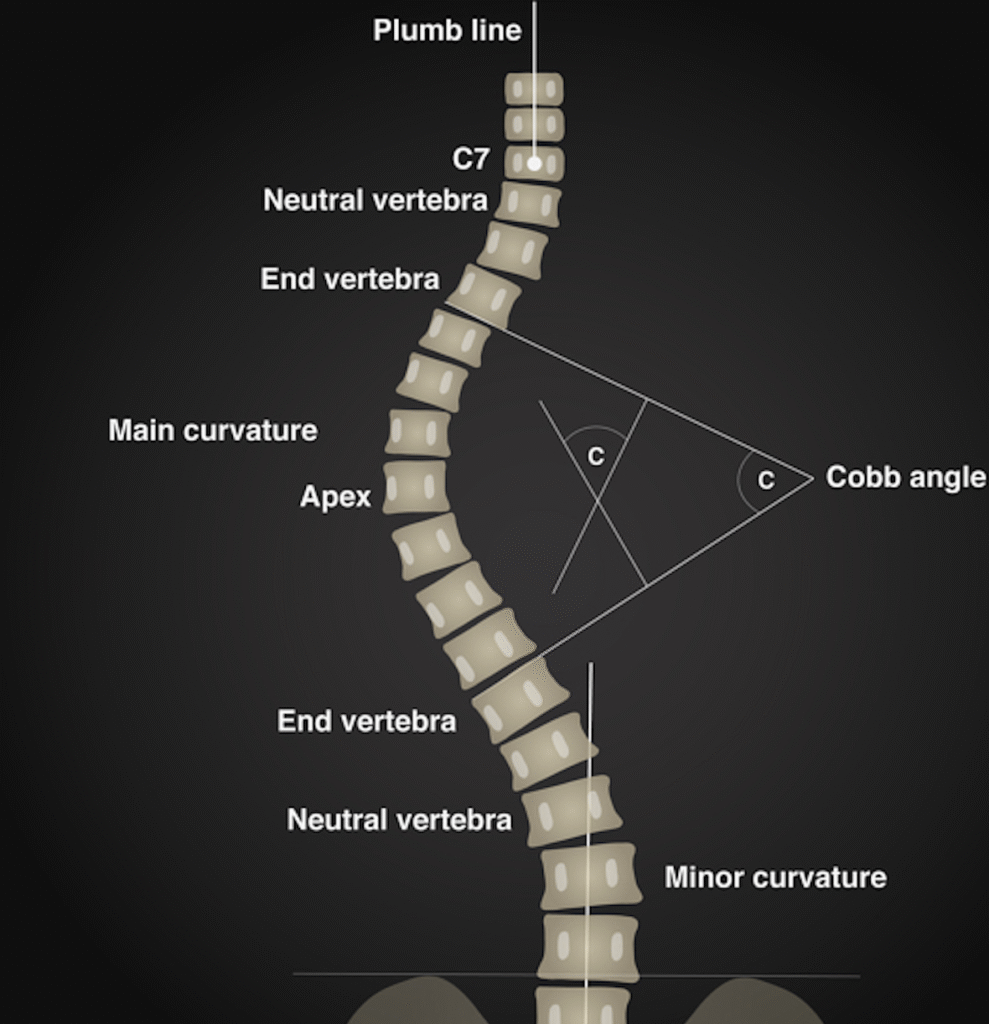
Today we’re looking at a systematic review that looked at strength training and its impact on adolescent idiopathic scoliosis- you can check out the full text HERE.

AIS is the form of scoliosis that develops in otherwise healthy teenagers for no obvious reason and is thought to have a genetic component, although no single genetic cause has been identified. It differs from scoliosis caused by congenital spine malformations, neuromuscular disorders, or age-related degeneration (we re not talking about these with this study). Scoliosis is defined as a lateral spinal curvature of 10° or more on Cobb angle measurement with vertebral rotation- and the vast majority of cases are AIS (80%)!

Sudy:
The authors analyzed data from 10 randomized controlled trials involving 449 adolescents (average age ~13.3 years, average baseline Cobb angle ~22.9°). Interventions ranged from 8 weeks to 6 months and compared strength training programs to no training or other exercise regimens.

Results
Compared with no intervention, strength training produced:

  • A mean reduction in Cobb angle of about 4.37° and improvements in trunk rotation (–1.07°) and vertebral rotation (–0.44°).
  • In quality of life as measured by the SRS‑22 questionnaire, mean scores improved by about 0.22 points.

When compared against exercise programs specifically designed for scoliosis correction, such as three-dimensional and Schroth-type exercises, strength training was less effective: the scoliosis-specific programs produced greater improvements in Cobb angle by about 3.95°, trunk rotation by about 1.69°, and aesthetic scores by about 0.89.

These findings indicate that while strength training has measurable benefits beyond inactivity, more targeted scoliosis-specific programs may achieve larger changes.

Practical applications
If you have AIS, do strength work! The data suggest strength training can moderately reduce curvature and improve patient-reported outcomes compared to no intervention, but it may not be as effective as specialized corrective exercise programs.

Surgery and risk of progression

I always get asked about surgery, when and if it is needed. Surgical intervention for AIS is generally considered when curves exceed approximately 45°–50° Cobb angle, especially if progression is likely or rapid while the patient is still growing. If you’re not close to this angle, you should be actively monitored as you grow, but you are not at risk for needing the surgery!

After skeletal maturity, when growth plates close and height velocity ceases, the risk of curve progression decreases substantially. Sometimes larger curves (>30°–40°) may still progress slowly into adulthood, but the main group we are concerned with are those who are still growing! If you have a relatively small angle and you are full grown, your risk of progression is extremely low (but you should still do strength work)!

Conclusion
Strength training can be beneficial for adolescents with mild to moderate AIS in reducing curve magnitude and improving quality of life compared to inactivity- you can’t go wrong with strengthening your spine!

If you have questions, feel free to contact with us to book online HERE.

What the study is about

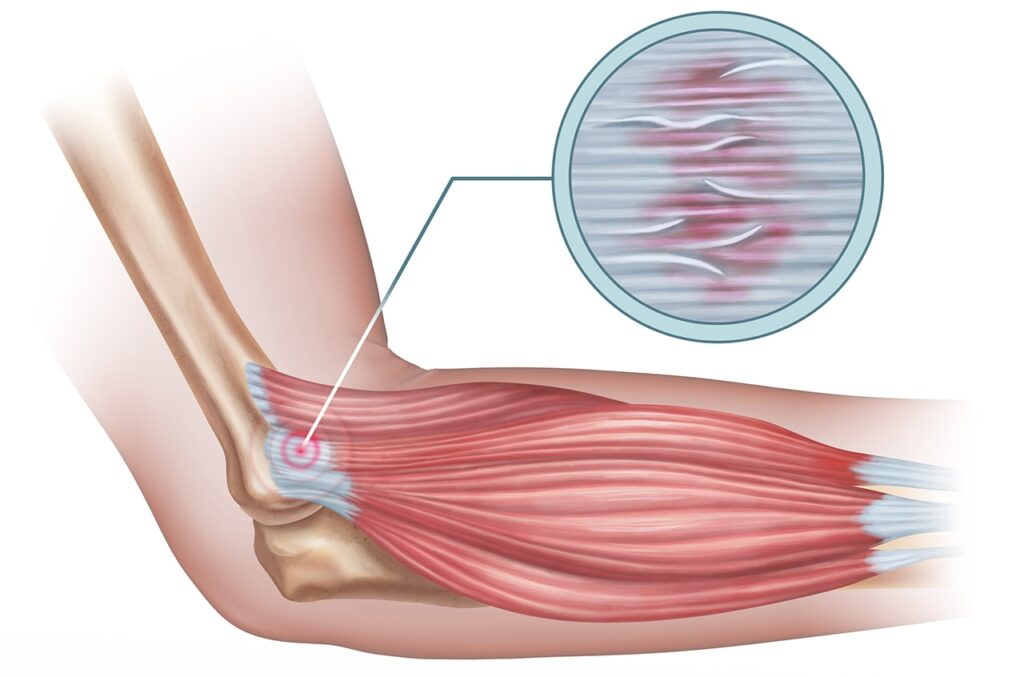
A January 2025 article published in the Journal of Clinical Medicine examined lateral elbow tendinopathy, also known as tennis elbow, which causes pain on the outside of the elbow and often affects adults between ages 35 and 50. When rest and physiotherapy don’t help, doctors sometimes use injections. The researchers compared four options: Platelet-Rich Plasma (PRP), corticosteroids, hyaluronic acid (HA), and saline to see which reduced pain and improved function the most over one year.

How the study was done

The study included 60 adults who had tennis elbow for at least three months without improvement. They were randomly placed into one of the four injection groups and each received a single injection. All patients followed the same stretching and strengthening program afterward. They were tested before treatment and again at 1, 4, 12, 24, and 52 weeks, measuring pain, arm function, and muscle strength. The researchers originally planned for 120 patients but were only able to enroll 60.

What the study found

  • All four groups improved over time in pain, strength, and function.
  • After one year, results were very similar across all injection types.
  • Corticosteroids reduced pain faster in the first few weeks.
  • PRP, HA, corticosteroids, and saline showed no major long-term differences.
  • Some patients in the PRP and saline groups had short-term pain increases.
  • No serious side effects were reported.

What this means

The results suggest that while these injections can help tennis elbow, none clearly outperformed the others in the long run. Corticosteroids worked faster early on, but one-year outcomes were similar to the other treatments, including saline. Since PRP and HA are more expensive, the findings raise questions about whether they are worth the cost. And in general, since non out-preformed saline, your best bet is likely to avoid injection all together and continue with rehab exercises and being patient- these things take time!

If you have more questions, feel free to book online or contact us HERE.

By: Dr. Sean Delanghe BSc (Hons) DC

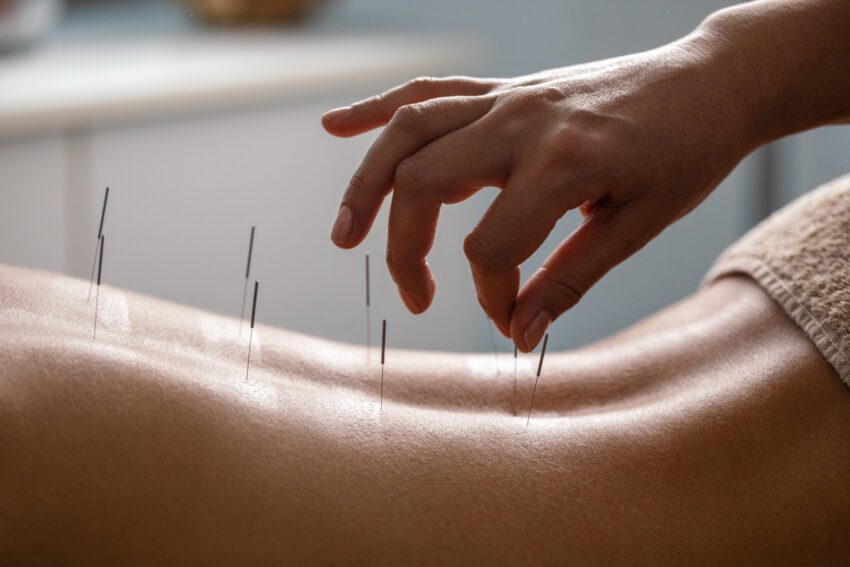
Migraines are a highly prevalent neurological condition that can significantly impair quality of life for many. They include symptoms such as severe headache often behind one eye along often with an aura that may include flashing lights, blind spots, blurry vision or other visual impairments. This 2023 study systematically reviewed randomized controlled trials (RCTs) to assess the durable effect of acupuncture in adults with episodic migraines- these are migraine attacks occurring intermittently but not chronically.


Methods

  • The researchers included 15 RCTs encompassing 3,035 participants.
  • Acupuncture interventions were compared against:
    1. Sham acupuncture (placebo control)
    2. No treatment or waitlist control
    3. Pharmacological migraine prophylaxis (e.g., flunarizine, metoprolol)
  • Outcomes assessed 3 months post-treatment included:
    • Number of migraine days per month
    • Number of migraine attacks per month
    • Pain intensity, measured using the Visual Analog Scale (VAS)

Findings

  • Acupuncture vs. sham: Acupuncture significantly reduced both migraine frequency and migraine days at 3 months post-treatment.
  • Acupuncture vs. no treatment: Acupuncture showed a clear benefit in reducing migraine frequency and intensity compared to the waitlist.
  • Acupuncture vs. preventive medication: Acupuncture performed comparably to pharmacologic prophylaxis, with some measures favoring acupuncture.
  • Adverse events were generally mild (e.g., minor bruising or localized pain at needle insertion sites). No serious adverse events were reported.

Should you try it?

  • Acupuncture appears to provide a sustained therapeutic effect for episodic migraine that persists at least three months after the treatment period.
  • This finding is clinically relevant because conventional preventive medications typically lose efficacy once discontinued.
  • However, evidence beyond three months is limited, making long-term durability uncertain.

Questions?

If you would like to try acupuncture, feel free to let us know or book online HERE. Physio Sayaka offers it at the clinic if you would like to discuss more before booking!

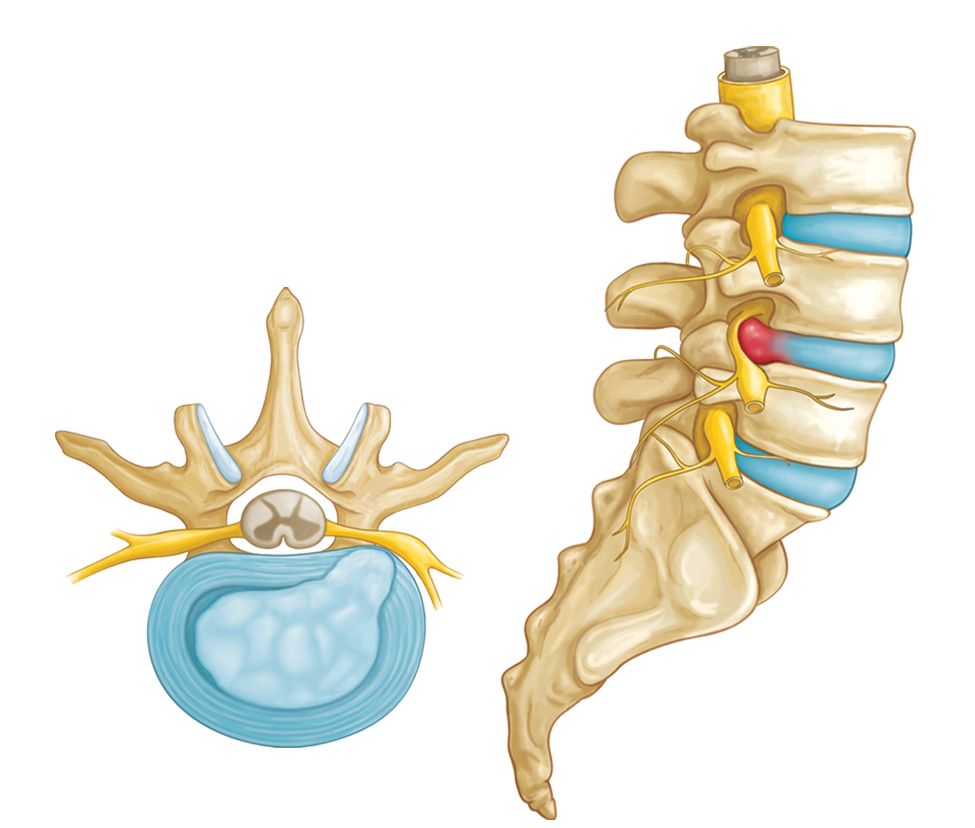
A new study in the European Spine Journal looked at how often people develop a herniated disc in the lower back and what increases the risk. A lumbar disc herniation happens when one of the discs between the bones in your spine bulges or breaks (i.e. the inner jelly protrudes through the outer fibrous layer). They can cause pain locally, or even down the leg at times in the form of sciatica if the nerve roots are being pinched.

The study reviewed many past papers and found that the problem is fairly common, especially in adults between 30 and 50 years old. It is less common in younger people but can affect anyone. How often it happens depends on how it is defined. Only a few people per thousand each year need surgery, but many more have milder symptoms that do not require it.

Several clear risk factors were found. Smoking and being overweight both make the spine weaker over time. Health issues like high blood pressure, high cholesterol, and diabetes also raise the risk. People who often bend forward, lift heavy objects, or sit for long hours at work are more likely to develop disc problems. Vibration from heavy machinery, night shifts, and high stress at work may also contribute, especially for women.

The good news is that most of these factors can be improved. Staying active, keeping a healthy weight, and using proper lifting and posture techniques can help protect your spine. Managing overall health, especially heart and blood pressure, is important too.


Tips to Protect Your Back

1. Don’t smoke, as it reduces blood flow and weakens the discs.
2. Maintain a healthy weight to lower pressure on the spine.
3. Stay active with regular walking and core strengthening.
4. Use good lifting form – maintain a neutral spine
5. Take breaks from sitting and set up your workspace properly.
6. Manage your blood pressure, cholesterol, and blood sugar.
7. Reduce stress and get enough sleep to help your body recover.

If you have more questions about your back pain, feel free to contact us or book online!

Wanted: Physiotherapist Associate 

We are looking for the right physiotherapist to join our growing team.

Hours: 10-20 hours/week or more if desired.  Flexible in terms of days and times. 

We are hoping to find an evidence-based therapist with strong work ethic, who works well independently, is motivated, possesses good people skills, and has a keen interest in the science of injury management with a focus on active care.  Acupuncture is an asset. 

We are also hoping to find somebody who values patient care above all else, and is easy to get along with and contributes to our positive work environment.  We want a great teammate! 

Learn more about our clinic and club we are associated with: www.drdelanghe.com www.health-performance.ca

Included:

  • Jane practice software
  • Full time reception during regular office hours
  • Access to office after hours 
  • Your own treatment room 
  • Access to gym space for 1-on-1 sessions 
  • TENs and acupuncture needles 
  • Payment: Percentage split with ceiling 

Send Resumes to: info@drdelanghe.com

Dear Patients,

It’s time for an update.  As many of you already know, our staff is contributing to Canada’s dwindling population growth!

We’re excited to let you know that Dr. Sean and his wife are expecting their first child in early August, while physio Sayaka and her husband are expecting their first in September.

That being said, we want to make sure you all are taken care of during this busy time. 

What this means for office hours:
(1) Dr. Sean along with reception will take the first week of August off with reduced hours in August.  

  • If the baby comes as expected, no changes will be made.  
  • If the baby comes at a different time your appointment will have to be moved accordingly- we apologize for any inconvenience this may cause! 
  • During the time Dr. Sean is off, physio and RMT will still be available at the clinic if you are in pain and cannot wait.
  • We will also have an emergency chiro available- details TBA. 

(2) Physio Sayaka will be taking about a year off closer to September.

  • We have high standards! If the right person comes along to cover her mat leave, we will bring them on board.
  • Otherwise, full time hours with Dr. Sean, RMT and occasional hours with physio Kayla will be available to keep you in one piece in the meantime. 


As always, you can book online, call (519) 885-4930 or reply to this e-mail if you you need to reach us. 


Yours in good health,


Dr. Sean Delanghe 

Book your appointment

Contact us to book your next appointment

Call Us 519 885 4930