Waterloo Chiropractor, Waterloo Physiotherapist, and Massage Therapist (RMT)

Category

Physiotherapy


What is costochondritis?
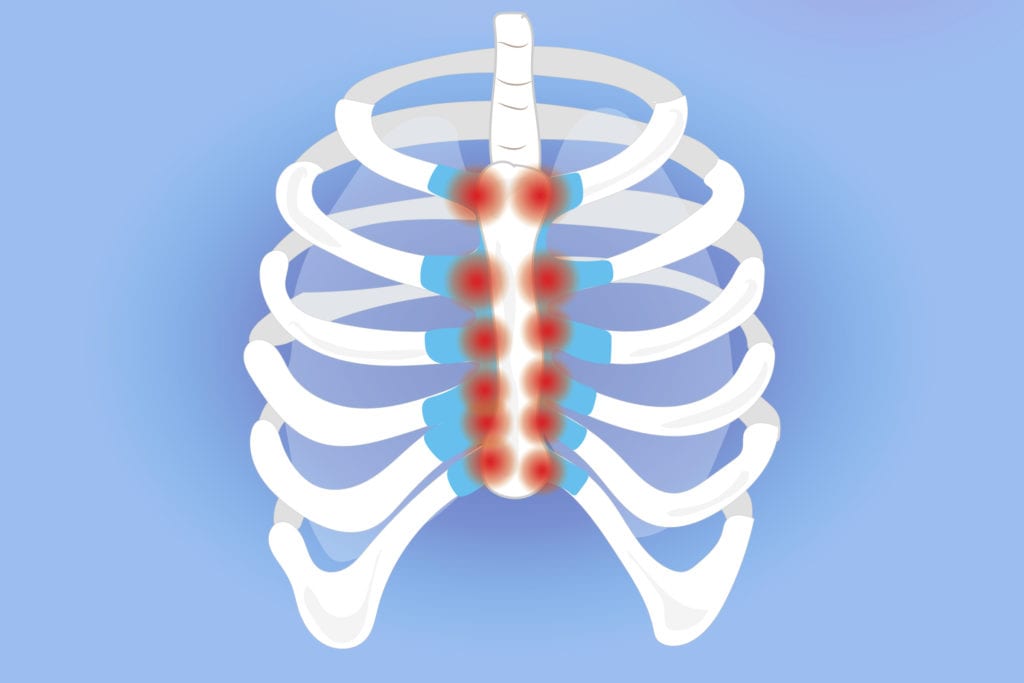
Costochondritis is inflammation of the cartilage where the ribs attach to the sternum. It causes localized chest wall pain that can mimic heart-related pain but is not caused by cardiac disease. This summary takes an in-depth look at the most up to date research regarding this condition.

It is considered one of the more common musculoskeletal causes of chest pain and may account for up to about 30 percent of noncardiac chest pain cases seen in some clinical settings.

Clinical presentation
-Pain is usually localized and reproducible with palpation over the affected costosternal or costochondral joints.
-The pain may be sharp or aching.
– Symptoms often worsen with movement, deep breathing, or pressure on the chest wall.
– There is usually no visible swelling, redness, or systemic symptoms such as fever.

Diagnosis
– There is no specific laboratory test or imaging study that confirms costochondritis.
– Diagnosis is clinical and based primarily on history and physical examination.
– A key diagnostic feature is reproduction of pain with palpation of the anterior chest wall.
– Cardiac and other serious causes must first be excluded, especially in higher-risk patients.

Management
– Initial treatment is conservative and may include:
Analgesics such as acetaminophen and Nonsteroidal anti-inflammatory drugs (talk do your doctor!)
– Relative rest and activity modification is key. Complete rest isn’t good, but continuing with the activities that aggravate the condition do not allow for it heal!

Physiotherapy is also a crucial part of the management of this condition. Some examples include:

  • Stretching and mobility exercises
    These focus on improving chest wall and thoracic spine mobility.
    • Examples include:
      Pectoral stretching, such as doorway stretches
      Thoracic extension and mobility exercises
      Breathing-based mobility drills to reduce rib cage stiffness
  • Manual therapy
    • Performed by trained clinicians, this may include:
    • Soft tissue mobilization of the chest wall and surrounding musculature
    • Joint mobilization of the ribs and thoracic spine
    • Trigger point release and myofascial techniques
    • Rib mobilization techniques to normalize movement

Some small clinical studies and case series suggest that combining manual therapy with therapeutic exercise can reduce pain and improve function the most, but as always more research is needed!

Main takeaway
Costochondritis is an important and relatively common cause of noncardiac chest pain. It is diagnosed clinically after ruling out more serious co

nditions. Management is usually conservative and may include medication, rest, and targeted physical therapy interventions aimed at improving chest wall mobility, posture, and muscle function.

If you have questions about your pain, feel free to contact one of our Waterloo based chiropractors or physiotherapists, or book online HERE.

I’ve written about it before, but it’s time for another update! Sure, running can be linked to short and moderate term problems like tendonitis, but what about longterm wearing out of your joints even if you do everything right? That’s what THIS 2023 systematic review looked at.

The Study
This study is a systematic review, meaning the authors collected, analyzed and combined results from many of the previous highest quality studies looking at runners and non-runners to see whether running affects the development of knee osteoarthritis (OA). The review included 17 studies with over 14,000 participants. Knee health was assessed using imaging (such as X-rays or MRI) and patient-reported outcomes like pain and function.

Key results:
Knee pain was reported more often in non-runners than in runners.
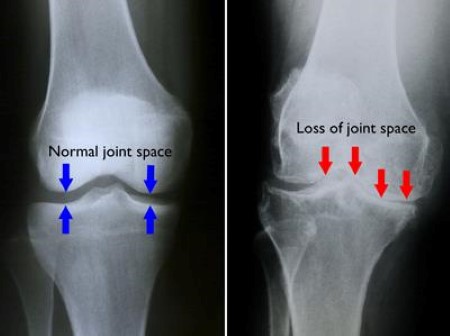
– Most studies found no meaningful differences in structural knee osteoarthritis (such as joint space narrowing or OA severity on imaging) between runners and non-runners.
– One study reported more bone spurs (osteophytes) in runners, but this finding was not consistent across other studies.
– Some evidence suggested that non-runners had a higher risk of needing knee replacement surgery than runners.

Practical Applications:

Our bodies are meant to move! This review shows that running does not appear to increase the risk of developing knee osteoarthritis. Running was not associated with worse imaging findings and may be linked to less overall knee pain compared to not running.

That doesn’t mean runners will not develop OA, but it does mean that odds are running is not to blame if it does. It also shows that there’s a chance that running helps to reduce general pain and reduce the odds of needing replacement down the road.

There are obviously many caveats to this- such as if you currently have severe OA it’s probably not a good time to start running. Talk to your health practitioner about of this research applies to you. However, what this review does tell us is the blanket statement of “running wears out knees” simply isn’t true!

If you have more questions, feel free to contact us HERE.

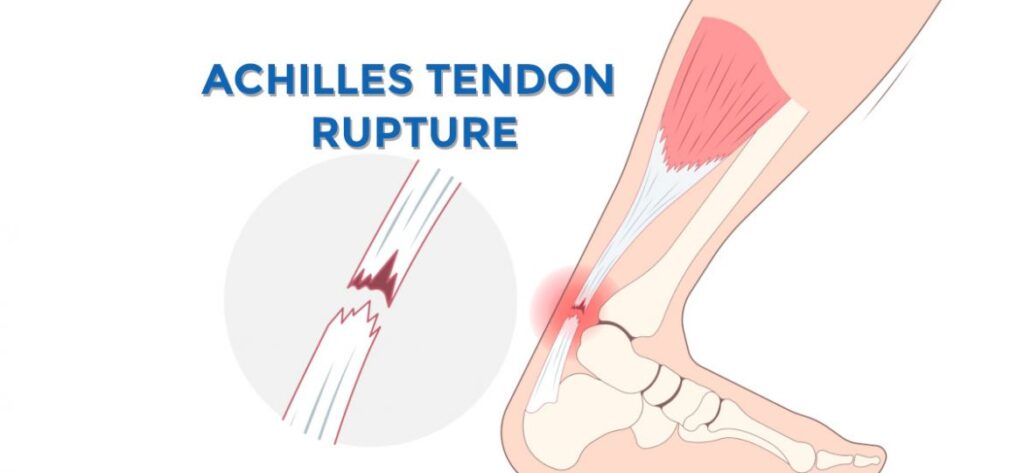
It can be a scary thing when you rupture your Achilles tendon! Yes recovery can be a long process, but virtually full recovery is possible in many case. The interesting thing that many don’t realize however is that OFTEN rehab is just as good as surgery– which is something this 2019 review study looked at.

Objective

The aim of this systematic review and meta-analysis was to compare operative and nonoperative treatments for acute Achilles tendon rupture. The authors focused on differences in tendon re-rupture rates, complication rates, return to work, and functional recovery between treatment approaches.

Study Design

The authors searched several medical databases to identify randomized controlled trials comparing surgical and nonoperative management of acute Achilles tendon rupture.

  • Fourteen randomized controlled trials were included, representing a total of 1,628 patients.
  • The average follow-up period across studies ranged from 6 months to over 2 years.
  • Outcomes analyzed included re-rupture rates, overall complication rates, Achilles Tendon Total Rupture Score (ATRS), ankle range of motion, and time to return to work.

This was a well designed study!

Results


The overall re-rupture rate was significantly lower in the open surgical group compared to the nonoperative group, with re-rupture occurring in approximately 1 to 3 percent of surgically treated patients versus about 6 to 12 percent of nonoperatively treated patients.
• Minimally invasive surgical repair also showed a lower re-rupture rate than nonoperative treatment, with re-rupture rates closer to those seen with open surgery.
• Open surgical repair was associated with a higher rate of complications, with overall complication rates reported between 10 and 20 percent, including wound infection, delayed healing, and nerve injury.
• Nonoperative treatment showed lower rates of these surgical complications, generally below 5 percent.
• Minimally invasive surgery demonstrated complication rates similar to nonoperative treatment and lower than open surgery.
Functional outcomes, including ATRS scores, showed no statistically significant difference between operative and nonoperative groups at final follow-up, with most studies reporting ATRS scores in the range of 80 to 90 points for both groups.
• Measures of ankle range of motion and calf strength were also similar between groups.
Patients treated with minimally invasive surgery returned to work earlier, on average 1 to 3 weeks sooner, compared to those treated nonoperatively.

How does this apply to you?

This review found that surgical treatment of acute Achilles tendon rupture reduces the risk of tendon re-rupture compared with nonoperative management but increases the risk of complications, particularly with open surgery. Minimally invasive surgical techniques appear to balance lower re-rupture rates with fewer complications and may allow an earlier return to work.

That being said, long-term functional outcomes were similar between surgical and nonoperative treatments, suggesting that both approaches can lead to comparable recovery when appropriate rehabilitation is provided.

So this isn’t a one-option fits all treatment. Do you have a daily life that puts you at risk for re-rupture? Do you have a less active/ risky lifestyle with a high need to get back to work ASAP? These are the types of questions you want to ask yourself when making the choice that’s right for you.

If you have more questions or you want to book with one of our physiotherapists based in Waterloo, you can do so HERE.

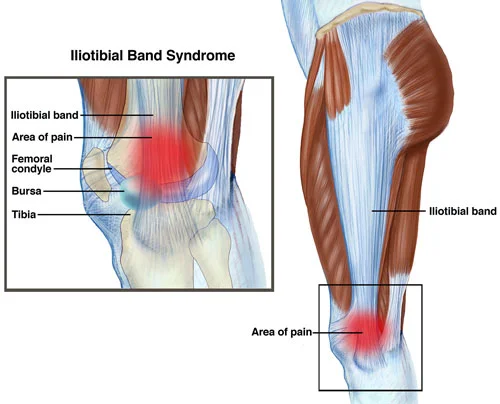
IT band syndrome is a common condition that causes pain on the outside of the knee. This 2024 review article updates the current understanding of iliotibial band syndrome (ITBS).

Diagnosis
ITBS usually appears during repetitive activities and tends to worsen the longer someone runs or cycles. Clinical tests exist but have limited reliability.

Some key features:
• Pain develops on the outer knee after a period of running or cycling.
• Often described as sharp, burning, or increasing over time.
• Tests such as the Noble and Ober tests are inconsistent (orthopaedic physical exam tests).
• MRI is typically unnecessary; diagnosis relies mainly on symptoms and history.

Risk Factors
ITBS develops through a combination of anatomical structure, muscle function, and training habits.

• Older theory suggested the IT band rubbed over the thigh bone.
• Newer evidence shows the IT band does not slide very much.
• Pain is likely due to compression of fat and nerve-rich tissue beneath the band at about 30 degrees of knee bend.

Things we can’t change:
• Anatomical features such as leg alignment or prominent bone structure. This includes natural variations like being slightly knock-kneed or bow-legged, having a more pronounced lateral femoral epicondyle (the outer knee bone), or having tighter fascia around the thigh.

Things we can change:
• Weak hip muscles, especially hip abductors and gluteal muscles, which can allow the knee to drift inward during running.
• Training errors such as sudden increases in mileage or frequency.
• A large trial showed similar ITBS rates whether runners increased volume or intensity, suggesting rapid changes are the main issue.

Treatment
Treatment centers on reducing irritation, improving strength, and retraining movement patterns. Functional rehab generally works the best!
• Temporarily reduce or modify painful activities in the short term.
• Strengthen hip abductors, gluteus maximus, and stabilizing muscles- has been proven to be one of the best approaches!
• Include balance, single-leg control, and running-specific movement retraining + slowly easing back into the sport that generated the pain.
• Shockwave therapy may help when exercise alone is not enough- something worth considering if you have a stubborn case.
• Steroid injections and surgery have weaker evidence and are used rarely

Research Gaps
While the understanding of ITBS has improved, more consistent and higher-quality research is needed to determine the best treatment strategies.

Some flaws:
• Research methods vary widely between studies- it’s hard to compare them because of how differently they were conducted.
• Limited high-quality trials on specific rehab programs- which exercises are best? We don’t really know.
• More comparison studies are needed for conservative and non-conservative treatments.


Take-Home Message:
• ITBS is mainly driven by compression, not friction
• Outer-knee pain increases with repetitive activity
• Hip weakness and rapid training increases are major contributors
• Best treatment involves structured rehab focusing on strength and movement control
• Shockwave therapy can help in tougher cases
• More research is needed to refine and compare treatment approaches

If you have IT band syndrome and have more questions, for out chiropractors or physiotherapists, feel free to contact us or book online HERE.

What the study is about

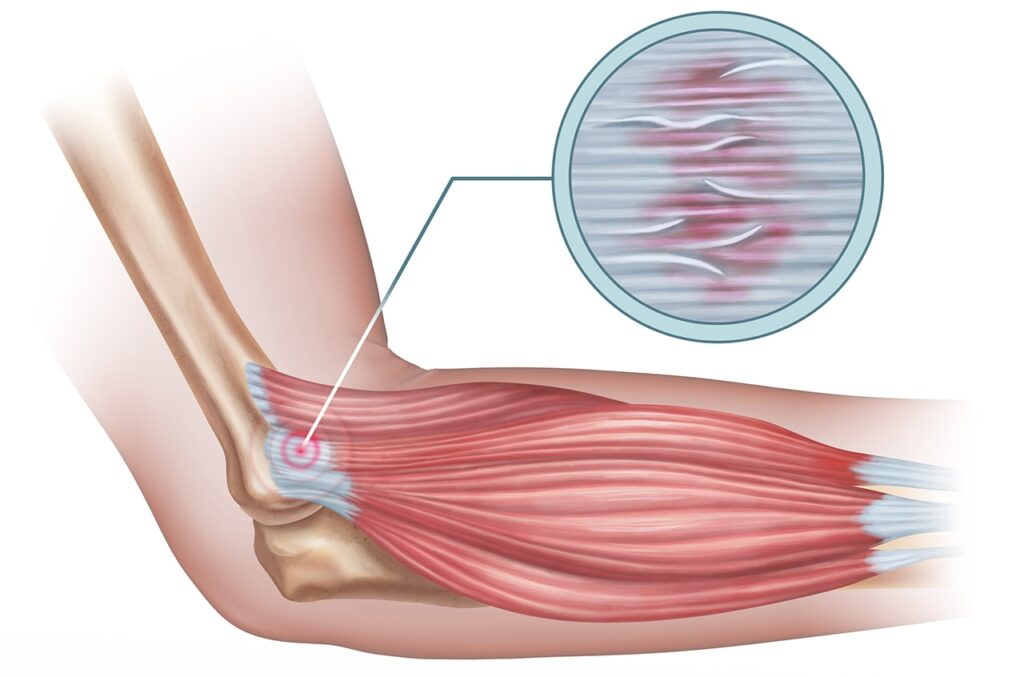
A January 2025 article published in the Journal of Clinical Medicine examined lateral elbow tendinopathy, also known as tennis elbow, which causes pain on the outside of the elbow and often affects adults between ages 35 and 50. When rest and physiotherapy don’t help, doctors sometimes use injections. The researchers compared four options: Platelet-Rich Plasma (PRP), corticosteroids, hyaluronic acid (HA), and saline to see which reduced pain and improved function the most over one year.

How the study was done

The study included 60 adults who had tennis elbow for at least three months without improvement. They were randomly placed into one of the four injection groups and each received a single injection. All patients followed the same stretching and strengthening program afterward. They were tested before treatment and again at 1, 4, 12, 24, and 52 weeks, measuring pain, arm function, and muscle strength. The researchers originally planned for 120 patients but were only able to enroll 60.

What the study found

  • All four groups improved over time in pain, strength, and function.
  • After one year, results were very similar across all injection types.
  • Corticosteroids reduced pain faster in the first few weeks.
  • PRP, HA, corticosteroids, and saline showed no major long-term differences.
  • Some patients in the PRP and saline groups had short-term pain increases.
  • No serious side effects were reported.

What this means

The results suggest that while these injections can help tennis elbow, none clearly outperformed the others in the long run. Corticosteroids worked faster early on, but one-year outcomes were similar to the other treatments, including saline. Since PRP and HA are more expensive, the findings raise questions about whether they are worth the cost. And in general, since non out-preformed saline, your best bet is likely to avoid injection all together and continue with rehab exercises and being patient- these things take time!

If you have more questions, feel free to book online or contact us HERE.

By: Dr. Sean Delanghe BSc (Hons) DC

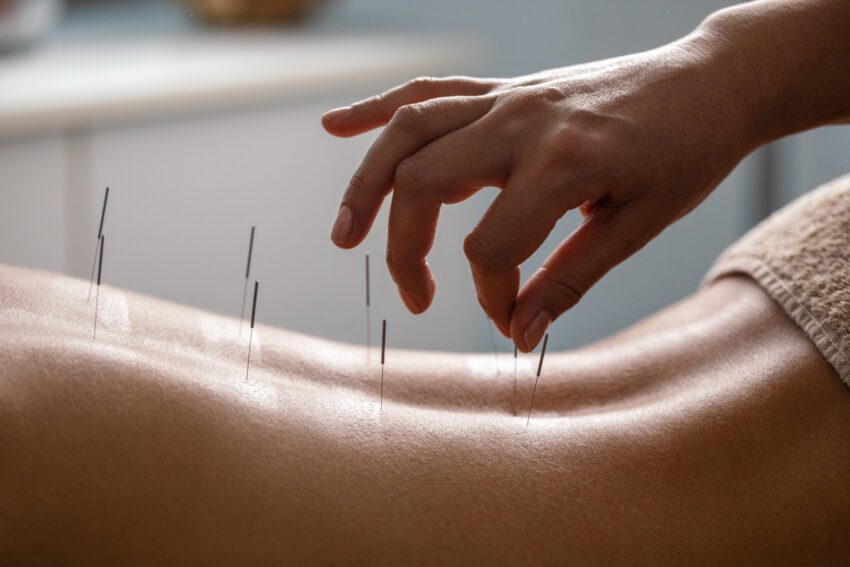
Migraines are a highly prevalent neurological condition that can significantly impair quality of life for many. They include symptoms such as severe headache often behind one eye along often with an aura that may include flashing lights, blind spots, blurry vision or other visual impairments. This 2023 study systematically reviewed randomized controlled trials (RCTs) to assess the durable effect of acupuncture in adults with episodic migraines- these are migraine attacks occurring intermittently but not chronically.


Methods

  • The researchers included 15 RCTs encompassing 3,035 participants.
  • Acupuncture interventions were compared against:
    1. Sham acupuncture (placebo control)
    2. No treatment or waitlist control
    3. Pharmacological migraine prophylaxis (e.g., flunarizine, metoprolol)
  • Outcomes assessed 3 months post-treatment included:
    • Number of migraine days per month
    • Number of migraine attacks per month
    • Pain intensity, measured using the Visual Analog Scale (VAS)

Findings

  • Acupuncture vs. sham: Acupuncture significantly reduced both migraine frequency and migraine days at 3 months post-treatment.
  • Acupuncture vs. no treatment: Acupuncture showed a clear benefit in reducing migraine frequency and intensity compared to the waitlist.
  • Acupuncture vs. preventive medication: Acupuncture performed comparably to pharmacologic prophylaxis, with some measures favoring acupuncture.
  • Adverse events were generally mild (e.g., minor bruising or localized pain at needle insertion sites). No serious adverse events were reported.

Should you try it?

  • Acupuncture appears to provide a sustained therapeutic effect for episodic migraine that persists at least three months after the treatment period.
  • This finding is clinically relevant because conventional preventive medications typically lose efficacy once discontinued.
  • However, evidence beyond three months is limited, making long-term durability uncertain.

Questions?

If you would like to try acupuncture, feel free to let us know or book online HERE. Physio Sayaka offers it at the clinic if you would like to discuss more before booking!

By: SAYAKA TIESSEN, HONS. BKIN, MSCPT

Book here

Ankle sprains, AKA rolled ankles, have got to be one of the most common injuries out there. They can happen in the most innocuous situations, like stepping on an uneven surface, or during sports that require cutting and landing. The words “walk it off” are synonymous with ankle sprains. Get up. It’s nothing serious. Back to business.

I get the sense that most people that sustain an ankle sprain do not seek any guidance from a physiotherapist. It might swell up nicely for a day or two, but then you limp around and manage to get on with your life. What you might not appreciate though, is that ankle sprains have a high recurrence rate due to the residual effects of the initial injury. Things like ligament laxity and damage to the neural and musculotendinous tissue around the ankle can inhibit complete recovery. This can present as weakness, poor balance, and slower muscle response to load. You might not notice these deficits when you are walking around, but they do make you susceptible to re-injuring the area. This is why I always advocate for getting any old rolled ankle assessed by a physiotherapist.

I often prescribe a blend of resistance and balance training for my ankle sprain patients. But if you are super crunched for time, is there one that is more efficient than the other?According to a 2021 study, although resistance training and balance training on their own improves strength, hopping (explosiveness and control), and dynamic balance, if you had to pick one, balance training takes the edge. This is likely due to the high training load used in the study (20-30 second holds, 10-20x, 3-5 sets over multiple exercises), and the fact that you need to be strong and coordinated to balance well, and strictly strengthening will not challenge your proprioception (balance-ability). Time to get your Karate Kid on.

Want to know what kind of exercises are appropriate for you? Or have you sprained your ankle before and feel things are not quite right? You can book an appointment with me here!

We’re back again for the latest in my series on strength training for endurance athletes!

I’ve written previously about how and when strength training should be used in a nuanced way- it’s not as simple as ‘strength is always good!’ Check it out: hereherehere and here.

Now, the next question: is there a downside to strength training? Time costs aside, are there risks or detrimental aspects to including strength training in your quest to be a better endurance athlete? That is what I am taking a quick look at in this article.

Muscle hypertrophy:

First and foremost, based on my previous articles, we know the goal of strength training is to improve our running economy without losing any other components of why we run well. However, it’s not as simple as ‘build power, go faster;’ it’s about how you maximize your power-to-weight ratio.

The other consideration is that if you put on muscle mass, the ratio of the density of blood vessels carrying oxygen to the muscles vs. the volume of muscles they supply goes down – once again, hurting endurance performance.

The key with this is that higher rep, lower weight exercises don’t seem to give the same boost in performance that high weight, low rep strength work does. The flip side to this is that low rep exercises are what builds mass – something we don’t necessarily need to be faster. So, what’s the balance?

CLICK HERE to read the rest in the Run Waterloo Magazine.

Welcome back to my series on strength training and endurance sports. My last article looked at strength work and cycling economy- which was way back in June. I have a good excuse though: the birth of my daughter, Adeline Delanghe!

I would like to say “now that her sleep is normalizing blah blah,” but that simply is not the case. Instead, I’m just getting better at squeezing stuff in, which hopefully will result in more science of training articles for you all!

In any case, if you haven’t already, please review the first three articles in this series. The idea is not to give you a cookie-cutter, magical answer on how endurance athletes should utilize strength training. Instead, this is meant to introduce you to some of the nuances in the science, and how to decide if, when, and how much resistance training you should do.

Strength training 101: Impact on V02Max
Strength training 102: Impact on Running economy
Strength training 103: The impact of cycling economy

To add to the above, today’s article will take a look at another parameter of endurance performance- lactate threshold.

Strength Training and your Lactate Threshold (LT)

What is your LT? This is essentially the exercise intensity at which lactate accumulates in the blood faster than it can be removed. This is the “breaking point” so to speak between low and high-intensity work.

While V02max is important, having a high lactate threshold is crucial in endurance performance. The higher the lactate threshold is as a % of your V02max, the harder the effort you will be able to sustain for long periods of time. We don’t race at our V02max, but we do spend lots of time in and around our lactate threshold!

While V02max is a popular thing to measure and be proud of, as we have noted before, somebody with the highest V02max doesn’t always win the race, especially in running. As we discussed, this is in large part due to exercise economy. However, this is also seen when somebody has more effectively trained their lactate threshold despite not having the same max oxygen-consuming ability. In other words, having a slightly lower V02max that’s good enough, and a very highly trained LT can allow you to beat a competitor with a higher V02max.

V02max is the ceiling, and we want to max it out, and then get our LT as close to it as possible to be at our best!

CLICK HERE to read the rest on the Run Waterloo Blog.

The quest to give a more complete view of strength training and endurance sports continues!

In my first two articles in this series, I discussed the impact of strength training on your ability to consume oxygen (no major impact) and the impact on running economy.

In the article on strength training and running economy, I explained how 8-12 weeks of 2-3 sessions/week is required to see any change.  Heavy weight, low rep exercises seem to trump plyometrics and high rep exercises.   On top of this, masters and female runners are more likely to be responders.  I also discussed how simply running more, if you are a low volume runner, should be the first step in trying to get faster (of course there are other benefits to strength training if you are thinking beyond speed). 

Now, since there are so many multisport athletes who read this column, I thought I would address how strength training impacts cycling economy specifically.   Surprisingly, the relationship isn’t quite as clear!

Intuitively, you’d think it would almost be the opposite in the minds of most- that strength training would be more helpful to cycling than to running.  It kind of makes sense to speculate that cycling requires more powerful, larger muscles to smash big gears, while running requires light legs and next-level cardio.  Therefore, lifting weights should help cyclists more, right?  Wrong!

When we look at studies like THIS ONE, we see that cycling economy isn’t something that’s nearly as difficult to develop as running economy.  As studies like this one show, runners with no cycling training tend to have pretty good cycling economy, while cyclists have horrible running economy.  Cycling economy isn’t hard to train, but running economy is!

That’s also why we see that V02max is a great predictor of longer cycling event performance, while V02max does not do a great job of predicting running performance.  

So when we look at the studies on strength work and cycling economy, we get mixed answers. 

Click HERE to read the rest on the Run Waterloo magazine.

Book your appointment

Contact us to book your next appointment

Call Us 519 885 4930