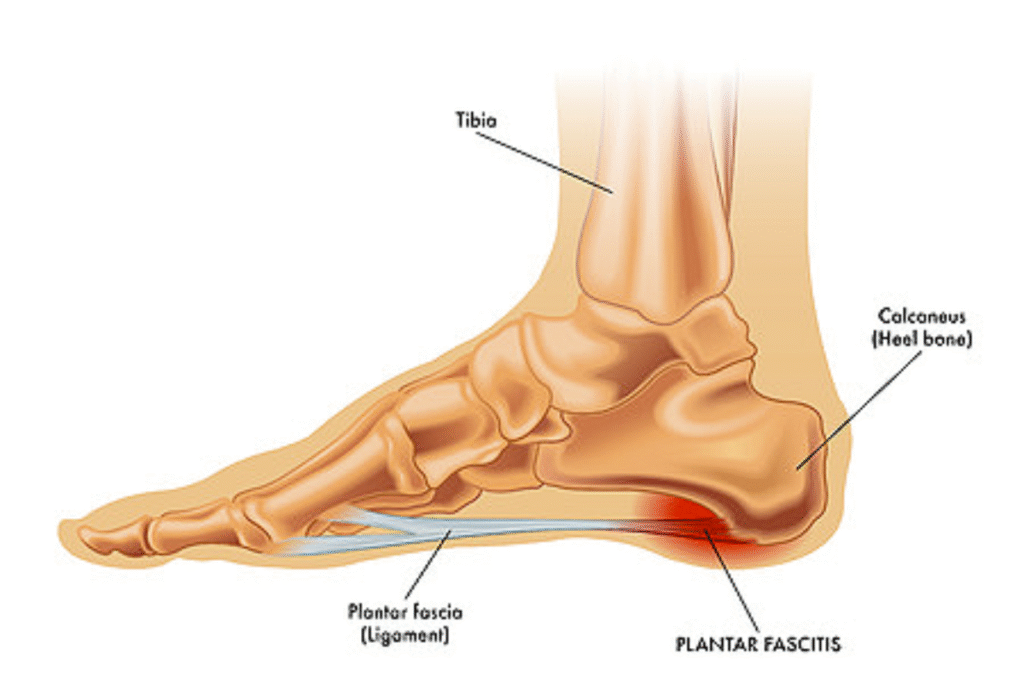
Does Dry Needling help with Plantar Fasciitis?
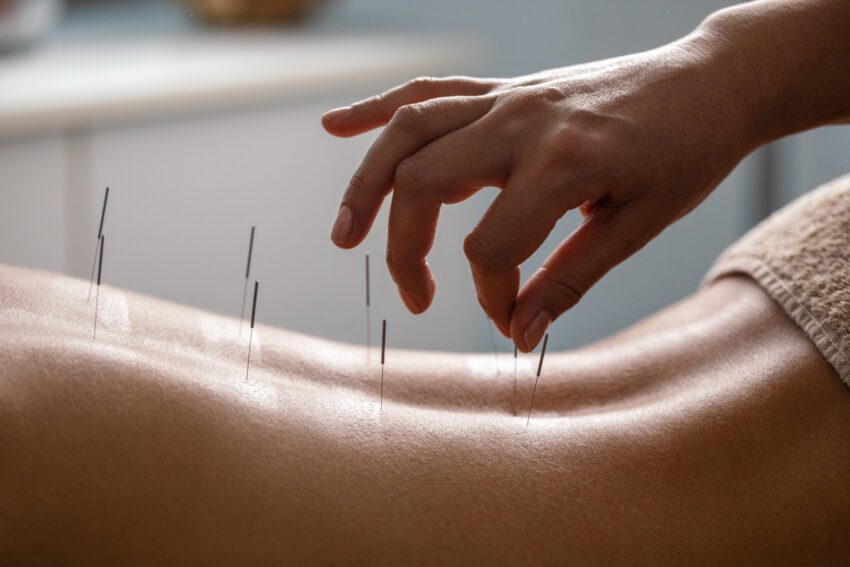
This article examined whether dry needling (DN) is effective for treating plantar fasciitis (PF), a common cause of heel pain. Dry needling involves inserting thin needles into muscle trigger points wth a goal reduce pain and improve movement.
This is not meant to replace more important strategies like load management, strengthening/ rehab etc. But is it actually a useful adjunct to these better supported potions?
Methods
The authors conducted a systematic review and meta-analysis of previously published research.
Major research databases were searched (PubMed, Embase, Web of Science, etc.), and only randomized controlled trials (RCTs) were included.
Study sample
- 12 RCTs
- 781 total participants
- Comparisons included:
- Dry needling plus routine care (stretching, massage, exercise)
- Dry needling alone
- Other conservative treatments without dry needling
Key Findings
Pain Reduction
Dry needling combined with routine treatment resulted in significantly lower heel pain compared to routine treatment alone. Pain was measured using standard tools such as the Visual Analog Scale (VAS) and Numeric Pain Rating Scale (NPRS).
Mean pain score reduction ranged from −1.76 to −2.12 points, which represents a moderate to large clinically meaningful improvement.
Dry needling alone was not consistently superior to other conservative treatments for pain relief- so you still have to do the other stuff!
Functional Improvement
Dry needling combined with routine care led to significant improvements in foot function (measured with the Foot Function Index), and dry needling alone also showed better functional outcomes than other conservative treatments. This suggests dry needling may improve a patient’s ability to walk, stand, and perform daily activities, even when pain reduction is limited.
Timing of Benefits
Improvements were more consistent after one month. Short-term results (less than one month) were mixed, suggesting dry needling is more effective as a medium-term intervention rather than an immediate solution.
Safety and Side Effects
About 50% of the included studies reported minor side effects, most commonly temporary soreness, mild bruising, or minor bleeding at the needle site. No serious adverse events were reported.
Overall Conclusion
Dry needling appears to be a safe and effective treatment option for plantar fasciitis, particularly when combined with routine conservative care, used for at least one month, and aimed at improving both pain and foot function. However, the authors note that study quality varied, sample sizes were relatively small, and more high-quality randomized controlled trials are needed before strong clinical recommendations can be made.
If you have more questions about this therapy, or would like to try it, please contact us or book online HERE!