Waterloo Chiropractor, Waterloo Physiotherapist, and Massage Therapist (RMT)

Category

Nutrition

By. Dr. Sean Delanghe BSc. (Hons) DC

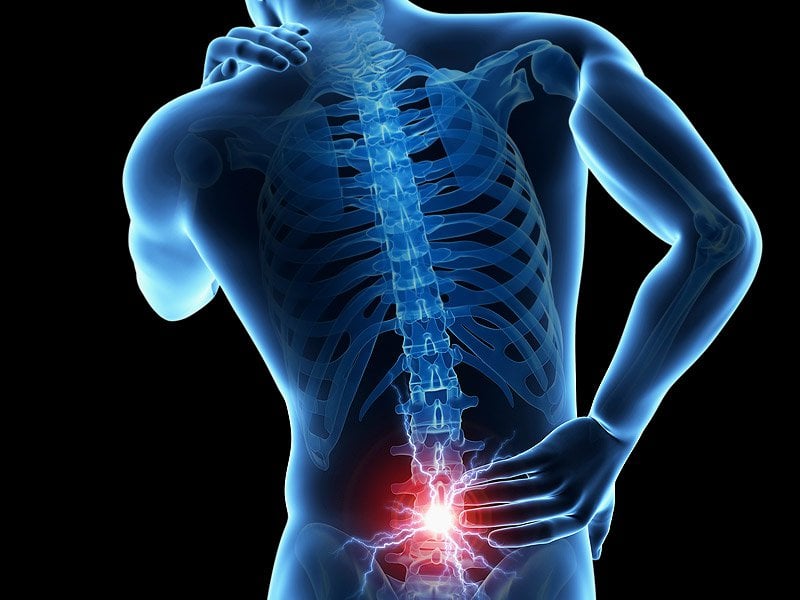
Chronic lower back pain is persistent pain in the lower back that lasts more than 12 weeks. It is complex and not just a structural issue. It also involves pain sensitivity, deconditioning, and movement avoidance patterns.

Does exercise help with it? To no surprsise, the answer is yes…but perhaps not in the way many people think.
A recent Cochrane systematic review (highest quality evidence out there) by Hayden et al. examined the effectiveness of exercise for chronic non-specific low back pain. The review included hundreds of randomized controlled trials involving thousands of participants, making it one of the most comprehensive analyses available on the topic.

Here is what they found:

Exercise Works

Compared to no treatment, placebo interventions, or usual care, exercise produced meaningful improvements in pain and modest improvements in function.

  • Pain improved by approximately 15 points on a 100-point scale.
  • Functional ability also improved, although the average change was smaller.
  • Overall, exercise was found to be an effective treatment for chronic low back pain.

Importantly, these benefits were seen across a wide variety of exercise approaches rather than being limited to one specific method.

Is One Type of Exercise Best?

This is where the findings become particularly interesting.

The review found that most exercise approaches appear to be effective, including:

  • Strength training
  • Aerobic exercise
  • Motor control exercises
  • Yoga
  • Pilates
  • McKenzie exercises (repeated postures that are suspected to improve your pain- i.e. extensions with disc injuries)
  • Flexibility programs
  • Multimodal exercise programs

While some previous analyses suggested that Pilates, McKenzie-based exercise, and functional restoration programs may provide slightly greater improvements in pain and disability, the differences between exercise types were generally small.

In other words, no single exercise approach consistently outperformed all others. Not sure exactly what to do? Just get active and figure it out as you go!

Specific Exercises vs General Exercise

One of the biggest takeaways from the review is that the benefits of exercise may be less about the exact exercises performed and more about simply becoming active and progressively increasing movement capacity.

This challenges the common belief that patients must find the “perfect” exercise program to recover. While exercise selection still matters, the evidence suggests that many different approaches can be successful when they are performed consistently and progressed appropriately.

The review supports a more flexible approach where exercise can be tailored to the patient’s preferences, goals, physical abilities, and symptom presentation rather than forcing everyone into the same program.

Why Does Exercise Help?

Exercise likely works through multiple mechanisms.

Physical benefits may include:

  • Increased strength and endurance
  • Improved movement tolerance
  • Better spinal and whole-body conditioning
  • Progessively challenging tissues to handle load again

Psychological and neurological benefits may include:

  • Reduced fear of movement
  • Increased confidence in the back
  • Improved self-efficacy
  • Positive effects on pain processing

This may help explain why many different exercise approaches can produce similar outcomes.

Is Exercise Safe?

The review found that exercise is generally very safe for people with chronic low back pain.

Reported adverse events were uncommon and were usually limited to:

  • Temporary increases in soreness
  • Mild increases in back pain
  • Exercise-related discomfort

Serious adverse events were rarely reported.

Practical Applications

For clinicians and patients, the message is fairly straightforward:

  • Exercise should be considered a first-line treatment for chronic low back pain.
  • Most exercise approaches are likely beneficial.
  • No single exercise method has proven to be universally superior.
  • Consistency and long-term adherence appear to be more important than finding the perfect exercise.
  • Programs should be individualized based on patient goals, preferences, and physical capacity.

Bottom Line

Exercise is one of the most effective non-pharmacological treatments for chronic low back pain. While certain approaches such as Pilates, McKenzie therapy, and functional restoration programs may have slight advantages, the overall evidence suggests that most forms of exercise can help.

One key thing is it’s hard to get super specific with a diagosis in a large scale study, so the specificty of a plan tailored to your injury might be more worthwhile than this review shows

That being said, the best exercise program is often not the most specialized program. Really what you want to look for is the plan that you are willing to do, and will enjoy doing consistently over a long period of time.

Chose something specific to your injury if that overlaps with what you are willing and want to do, but more than anything, go with the plan that you enjoy the most! Keep moving regularly. Build tolerance to load over time. Be patient, and good things will happen!

If you want to review how to implement exercise into your low back pain managemnet program- feel free to contact or book with one of our Waterloo based chiropractors, physiotherapists or RMTs HERE.
Today we’re looking at a systematic review that looked at strength training and its impact on adolescent idiopathic scoliosis- you can check out the full text HERE.

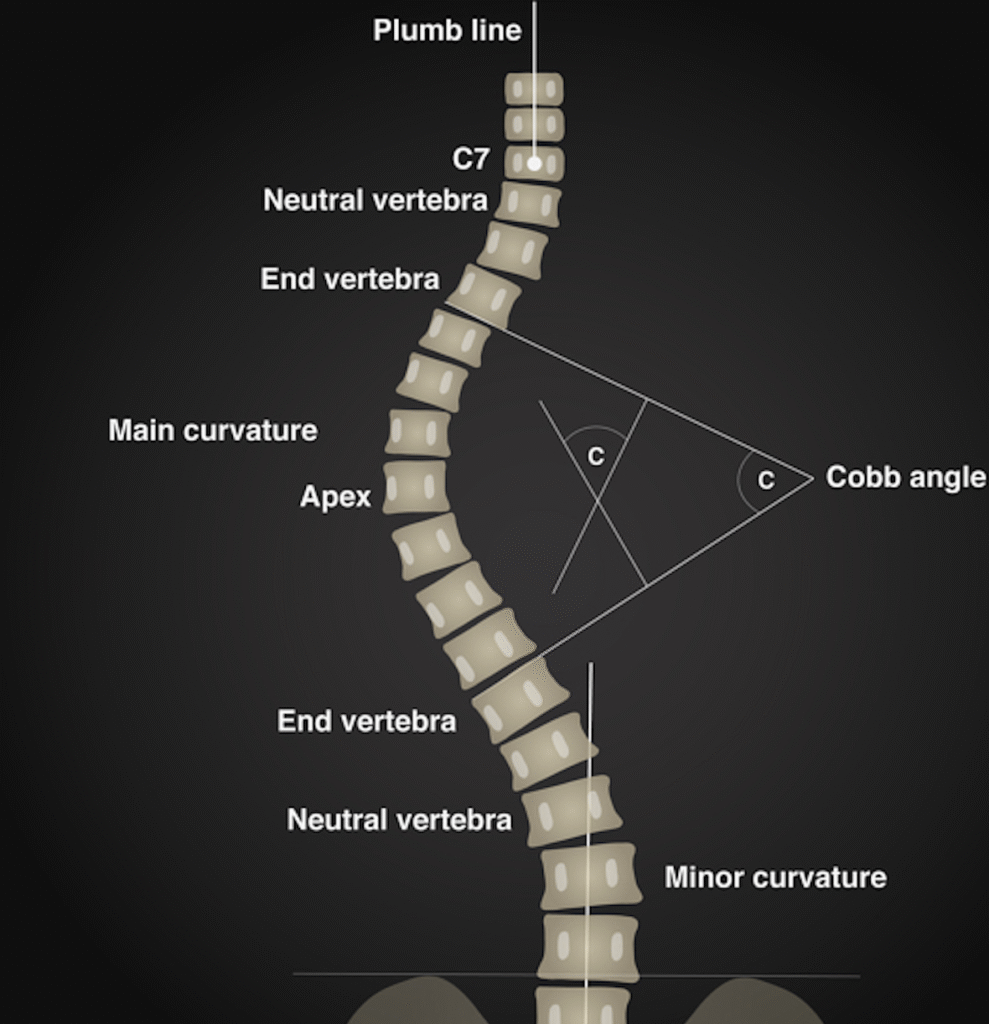
AIS is the form of scoliosis that develops in otherwise healthy teenagers for no obvious reason and is thought to have a genetic component, although no single genetic cause has been identified. It differs from scoliosis caused by congenital spine malformations, neuromuscular disorders, or age-related degeneration (we re not talking about these with this study). Scoliosis is defined as a lateral spinal curvature of 10° or more on Cobb angle measurement with vertebral rotation- and the vast majority of cases are AIS (80%)!

Sudy:
The authors analyzed data from 10 randomized controlled trials involving 449 adolescents (average age ~13.3 years, average baseline Cobb angle ~22.9°). Interventions ranged from 8 weeks to 6 months and compared strength training programs to no training or other exercise regimens.

Results
Compared with no intervention, strength training produced:

  • A mean reduction in Cobb angle of about 4.37° and improvements in trunk rotation (–1.07°) and vertebral rotation (–0.44°).
  • In quality of life as measured by the SRS‑22 questionnaire, mean scores improved by about 0.22 points.

When compared against exercise programs specifically designed for scoliosis correction, such as three-dimensional and Schroth-type exercises, strength training was less effective: the scoliosis-specific programs produced greater improvements in Cobb angle by about 3.95°, trunk rotation by about 1.69°, and aesthetic scores by about 0.89.

These findings indicate that while strength training has measurable benefits beyond inactivity, more targeted scoliosis-specific programs may achieve larger changes.

Practical applications
If you have AIS, do strength work! The data suggest strength training can moderately reduce curvature and improve patient-reported outcomes compared to no intervention, but it may not be as effective as specialized corrective exercise programs.

Surgery and risk of progression

I always get asked about surgery, when and if it is needed. Surgical intervention for AIS is generally considered when curves exceed approximately 45°–50° Cobb angle, especially if progression is likely or rapid while the patient is still growing. If you’re not close to this angle, you should be actively monitored as you grow, but you are not at risk for needing the surgery!

After skeletal maturity, when growth plates close and height velocity ceases, the risk of curve progression decreases substantially. Sometimes larger curves (>30°–40°) may still progress slowly into adulthood, but the main group we are concerned with are those who are still growing! If you have a relatively small angle and you are full grown, your risk of progression is extremely low (but you should still do strength work)!

Conclusion
Strength training can be beneficial for adolescents with mild to moderate AIS in reducing curve magnitude and improving quality of life compared to inactivity- you can’t go wrong with strengthening your spine!

If you have questions, feel free to contact with us to book online HERE.

marathon

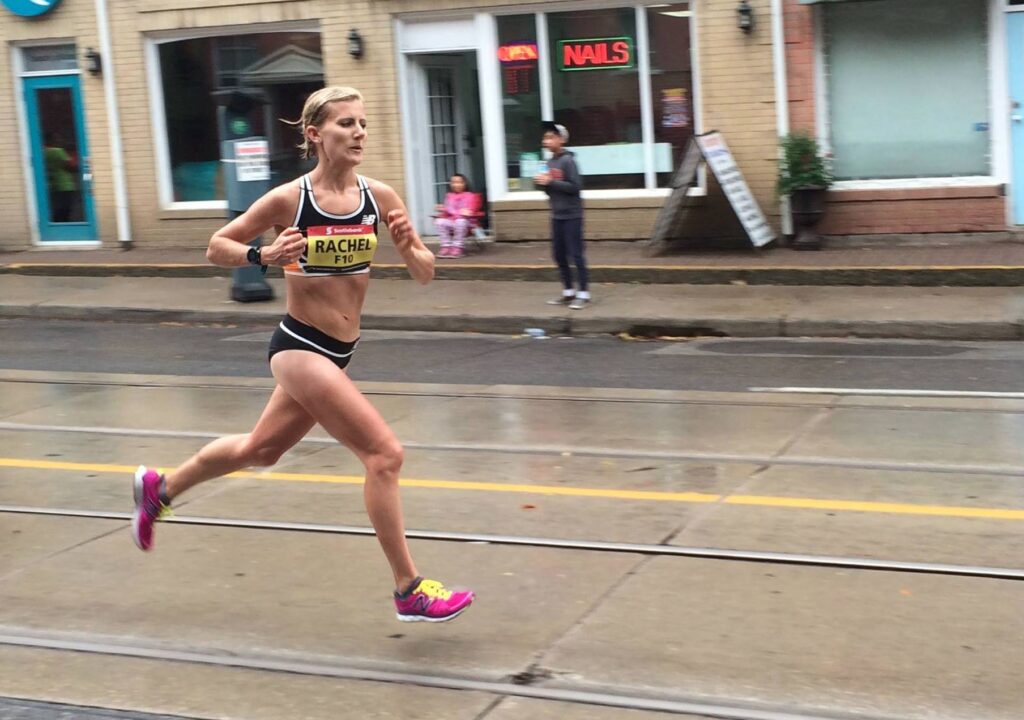
By Rachel Hannah, RD, DIP. Sports Nutrition IOC

There are a lot of myths around carb loading. That confusion mixed with pre-race nerves, and you’ve got a recipe for a tummy disaster. But carb loading is actually pretty straightforward. There are a few key numbers and rules to follow so that you’ll have all the energy you need to start your quest for that big marathon breakthrough.

What is this “carb loading” I keep hearing about?

First, let’s start with removing the shroud of mystery around the carb load. What the heck is it, and why do marathon runners do it?

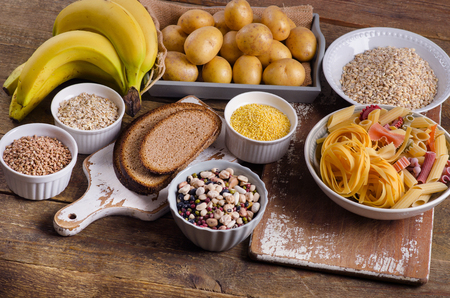
Simply put, to carb load is to put a bigger emphasis on getting in an increased ratio of carbohydrates in a couple of crucial days leading up to a big distance race of over about two hours, like a half-marathon for most, and certainly a marathon. The reason for doing this is to make sure your body is full stocked with something called glycogen, which is the energy used by your muscles to fire during your run.

Glycogen is your storage form of carbohydrates and the body can only store up to a certain amount, making fuelling throughout a Marathon distance race very important. Ever heard of the infamous “wall” runners hit when the marathon gets really tough? That wall goes up typically when your body is depleted of glycogen. It’s why races put Gatorade on the course, and its why runners stuff their faces with pancakes the day before the race.

Pancakes… sounds like fun! But how do you get carb loading just right?

Make a Plan

When working with athletes of all ability levels or going into my own marathons, the first thing I do is make a carb loading plan. It’s not necessarily a menu of exactly what to eat, but more of an outline of when to start the load, examples of great food options, and specific numbers that are easy to calculate so that its clear just how many carbs are needed each day before the big race.

Here’s what it looks like:

You should start your carb load 36-48 hours before race morning. So, if the marathon is on a Sunday, begin focusing on carb-rich foods on Friday at breakfast. You’ll hear about athletes going on a “carb depletion” diet for the week leading up to the marathon, starving themselves of glycogen so that, supposedly, their body will horde the sugars thrown at it during the carb load. There are conflicting studies on this strategy, and the science is leading towards saying it produces a negative outcome in most situations, so just eat normally for the period leading up to the carb load.

Keep your calorie intake relatively normal

A common myth is that you should stuff your face during the carb load. This may cause some serious tummy issues and water retention, so instead, just focus on getting the percentage of carbs within each meal and snack to overwhelm the ratio to protein and fat. Fat intake should be kept low (<20% of calories) during the carb load, but you should focus on getting a consistent amount of protein at every meal and snack like you normally would.

Because you’ve reduced you the amount of exercise during the taper, if you maintain your peak season diet, you should be coming in pretty well stocked up on calories.

Focus on the Math

Here’s the magical formula to follow during the carb load:

8-12 g/kg of your body weight of carbs per 24 hours.

So, if you weigh 65 kg (or just over 140 lb.) you should be consuming about the middle range of that formula, meaning 650 g of carbs in a day. A small banana has 14 g of carbs, so you’ll have your work cut out for you to get them all in without starting to hate certain go-to snacks. You’re going to have to find simple ways to make sure you get that amount all in.

Eat what you love

Stick with things you enjoy eating, and I mean really enjoy. Carb loading is the opposite of what you typically would eat to stay healthy. I also need to add carbs that I wouldn’t normally add during the load. This may sound ridiculous, but I will even bring packets of jam or honey with me, and smear them on things like crackers and bread if I feel I’m not hitting my goal carb number for the day.

Use a fitness tracker

Keeping track of all those carbs can be daunting. I recommend either doing the math in advance and making a meal plan for that 48 hours (think of it as fun; you get to eat waffles and maple syrup for dinner!) or use a basic calorie counting app. I rely pretty heavily on MyFitnessPal, a free and fairly detailed nutrition tracking app you can get on your phone that will do the math for you.

Beware of fibre

Crushing carbs can be fun, but you have to be mindful of those with loads of fibre. You’ll want to focus on simple carbs for this crucial 36-48-hour period. You don’t want to pack your guts with fibre before heading to the start line, for obvious reasons.

On the eve of the race, switch to liquid carbs, like fruit juices or sports drink, in order to keep your stomach in check while continuing to get those glycogen stores stocked. Choosing the sports drink you will use during your race is a good idea the night before.
Spread Your Snacking Out

Aim to eat about five or six times per day, spread out, particularly if you have pre-race nerves and your digestion is slowed down. Focus on eating every three-four hours, but feel free to snack a bit in between and take in fluid.

See the carb load as the final fun workout

Just like training, view the carb load as a sort of food workout. Stick to your numbers, stay focused and see it as the final building block in order to have a big breakthrough in your goal race.

Rachel Hannah is a Pan Am Games medallist in the marathon and a registered dietitian.  Learn more about her HERE or book online HERE. 


If you have ever had the pleasure of talking with me about sport nutrition, you may have seen my eyes light up and and a big smile on my face as I passionately engage in conversation with you. That is simply because I absolutely LOVE talking about how nutrition can help you reach your athletic goals. I thoroughly nerd-ed out while researching this current topic for the dietitians at the Canadian Sport Institute, of how athletes can use ice slushy’s to keep them cool and increase their performance!


Why is Keeping the Body Cool Important?  

There are a few signaling pathways the body can use to increase feelings of fatigue. We all should know that low glycogen (carbohydrate stores) signal fatigue (aka when a marathoner “hits the wall”), but did you know that overheating will do the same thing? The body uses this as a safety mechanism in order to maintain a safe internal temperature. Therefore, exercising in extreme heat presents a few problems.


Problem 1. Increased heat results in increased sweating, which can make it difficult to maintain adequate hydration.


Problem 2. Dehydration increases core temperature and leads to increased use of glycogen.


Problem 3. Dehydration, increased core temperatures and low glycogen levels all lead to early fatigue and decreased performance.


To combat the effects of exercising in the heat, there are a few things to think about: stay hydrated as best you can, fuel appropriately with a good carbohydrate plan and lastly, try to slow the rate of increasing body temperature! Hydration in itself results in significantly lower body temperatures compared to letting yourself dehydrate past 2%, however sometimes in the extreme heat, cool water (or warm if its been on the fuel station for a while) might not be enough to preserve your performance. In this blog we will talk how incorporating an ice slushy can help you regulate your body temperature and perform better in the heat!


Pre or During Cooling with Ice

Pre-cooling strategies aren’t new and have been used to cool athletes prior to exercise in the heat. Strategies include arm, leg or full body immersion in an ice bath or using an ice vest. Sometimes these are not available or convenient (especially the bath!). Therefore, enter ice slushy! The main purpose of the drink prior to an athletic event is to drive the core temperature down before starting exercise, thus extending the time body temperature will rise to a critical high resulting in delayed fatigue. Pre-cooling provides a heat sink so during exercise more heat can be stored, and if ice is ingested during exercise it can reduce some of the heat storage even further.


Effects On Core temperature

The research consistently shows that the use of a pre-cooling protocol with an ice slushy results in reductions in rectal temperatures by 0.2-0.7°C. As the athletes began to exercise their core temperature was significantly lower for 25-40 minutes into exercise even when compared to precooling with cold water (4°C). If core temperature is measured from a pill, it results in reductions of core temperature from 1-2°C in upper gastrointestinal tract (Ihsan et al., 2010; Burdon et al., 2013; Stevens et al., 2013; Zimmerman et al., 2017). Pre-cooling seems to have a greater effect if done in a cooler environment, resulting in the best reductions in core temperature (Maley et al., 2018).


Performance

Ingestion of an ice slushy as a pre-cooling protocol seems to increase time to exhaustion (TTE) in the heat, as performance can increase 3-19% when compared to cool or room temperature water (4-37°C). (Siegel et al., 2010; Naito & Ogaki., 2017; Takeshima et al., 2017). Naito & Ogaki (2017) showed that pre-cooling with 1.25g/kg ice every 5min for 30min + mid-cooling with 2g/kg ice every 15mins resulted in 16% increase in TTE compared to same protocol with cold water (4°C). Research has also looked at the effect of timing of pre-cooling on cycling performance, where consuming ice after the warm up resulted in significant beneficial effect on performance vs a control beverage (37°C) (Takeshima et al., 2017).


Time trials can be improved by 1.7-10% for 10k run times (Mejuto et al., 2018) or 40k cycling (Ihsan et al., 2010). One study compared pre-cooling with 6.7g/kg ice ingestion split into doses consumed every 10minutes for 30minutes compared to water (27°C) showed there was a 6.5% better time trial performance in 40k cycle test (Ihsan et al., 2010).


Triathlons

Stevens et al., 2013 look at performance in triathletes in the heat. The trials included a 1500m swim, 1h bike at varied intensities, and a 10k self paced run, in which the 10k run was the performance measure. They consumed 10g/kg ice slushy (made with sport drink) or warm (32-34°C) sport drink during 15-45minutes into the bike portion of the trial, then drank as needed after that. The ice ingestion during the cycle resulted in 2.5% better run performance and was especially evident in the last 5km of the run, which is consistent with most research.


How Can I Use This?

7.5g/kg split into doses of 1.25g/kg/5mins for 30mins or 2.5g/kg/5mins for 15mins seems to be the most common protocol used and is well tolerated. The temperature of slushy’s should be -1- +1°C and can been made with plain ice, or sport drink ice cubes, which would be good for carbohydrate consumption for fueling purposes. Keep in mind individual fluid needs, but research also shows that ad libitum fluid intake is higher when a cold drink is offered. Pre-cooling with ice slushy’s should be done as close to exercise as possible, preferably post-warm up in the 15-30 minutes leading up to exercise to maximize the amount of time with lower core temperatures (Takeshima et al., 2017). You could also adopt a mid-cooling strategy to continue to cool your internal temperature.


Recipe:

Example for a 60kg person (60 x 7.5=450), pour 450ml of Gatorade into an ice cube tray and freeze. Add a splash of Gatorade and blend. Consume in 3 “doses” 5 mins apart (or sip on it for 15 mins). If you have a thermometer you could make sure it has reached -1-+1 °C for the best results.

Ideas: Freeze sport drink, diluted juice or sweetened coffee and enjoy prior to your event for your fluid, carbs and caffeine hit.


Reference:

Burdon CA, Hoon MW, Johnson NA ,Chapman PG, O’Connor HT (2013) The effect of ice slushy ingestion and mouthwash on thermoregulation and endurance performance in the heat. International Journal of Sport Nutrition and Exercise Metabolism.23 458-469


Ihsan M, Landers G, Brearley M, Peeling P (2010) Beneficial effects of ice ingestion as a precooling strategy on 40-km cycling time-trial performance. International journal of Sports Physiology and Performance. 5 140-151


Maley MJ, Minett GM, Bach AJE, Zietek SA, Stewart KL, Stewart IB (2018) Internal and external cooling methods and their effect on body temperature, thermal perception and dexterity. PLoS ONE 13(1): e0191416. https://doi.org/ 10.1371/journal.pone.0191416

Mejuto G, Chalmers S, Gilbert S, Bentley D (2018) The effect of ice slurry ingestion on body temperature and cycling performance in competitive athletes. Journal of Thermal Biology 72: 143-147


Naito T, Ogaki T. (2016) Pre-cooling with intermittent ice ingestion lowers the core temperature in a hot environment as compared with the ingestion of a single bolus. Journal of Thermal Biology. 59 13-17.


Siegel R, Mate J, Brearley M.B, Watson G, Nosaka K, Lairsen P.B (2010) Ice slurry ingestion increases core temperature capacity and running time in the heat. Medicine and science in sports and exercise. 42(4) 717-725


Stevens CJ, Dascombe B, Boyko A, Sculley D, Callister R (2013) Ice slurry ingestion during cycling improves Olympic distance triathlon performance in the heat. Journal of Sport Sciences. 31(12) 1271-1279


Takeshima K, Onitsuja S, Xinyan Z, Hasegawa H (2017) Effect of the timing of ice slurry

ingestion for precooling on endurance exercise capacity in a warm environment. Journal of Thermal Biology. 65 26-31


Zimmermann M, Landers GJ, Wallman KE (2017) Crushed ice ingestion does not improve female cycling time trial performance in the heat. International Journal of Sport Nutrition and Exercise Metabolism 26: 67-75


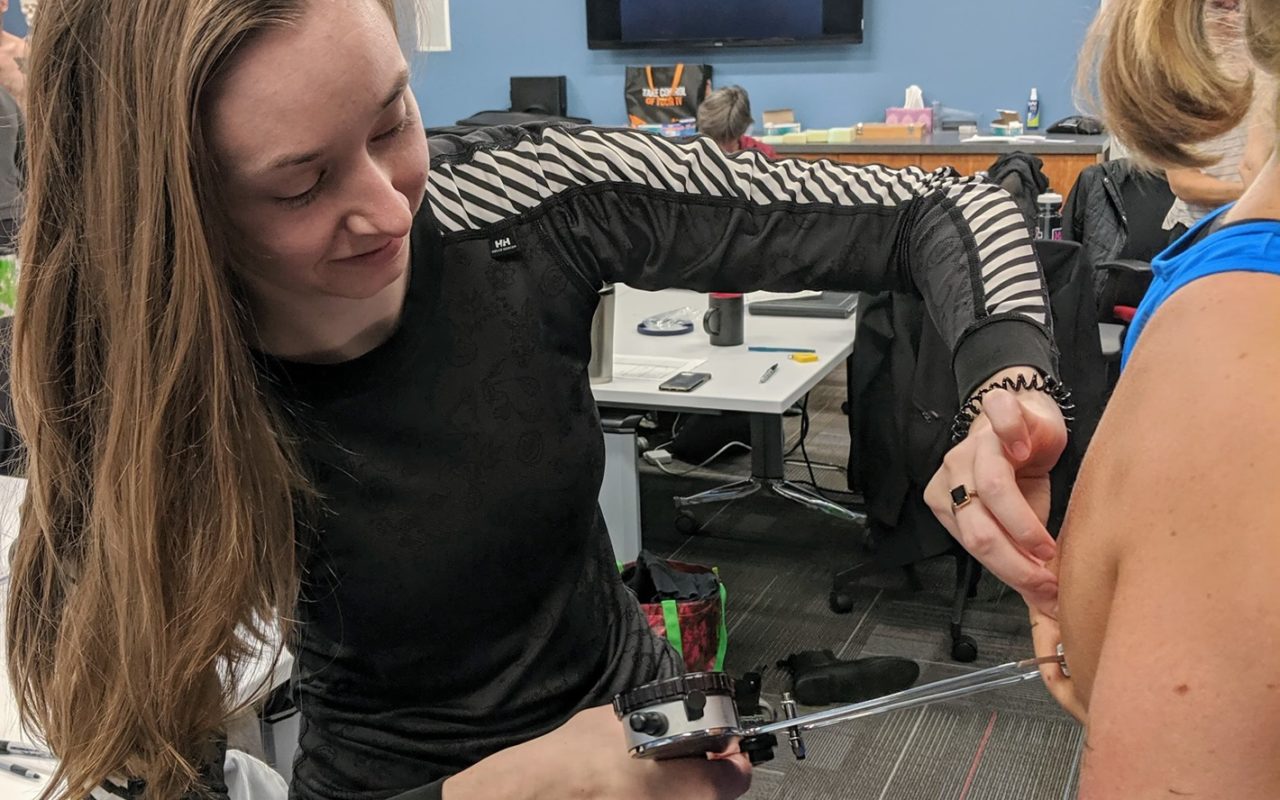
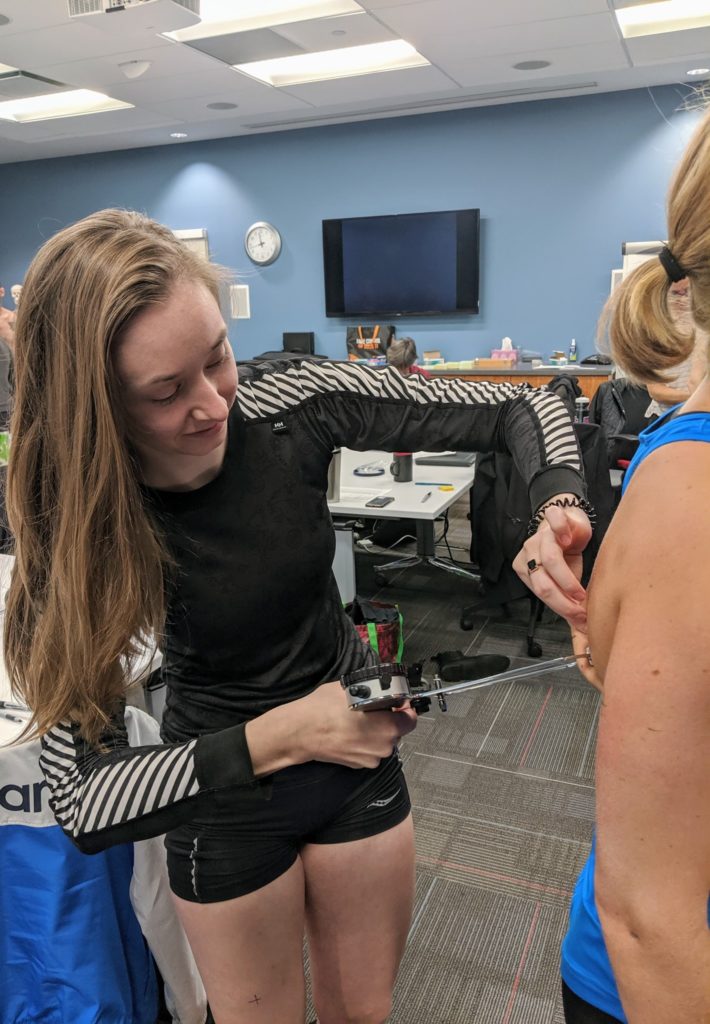
Our registered dietitian, Stephanie Boville, is in the process of being certified to accurately measure body fat percentage using the skin fold calliper technique (this is the gold standard- no more electrodes, no more guessing)!

As part of completing her program, she will conducting the test on 20 athletes free of charge ($60/ session normally).  This will provide a great baseline to see if you are making the gains you are aiming for.  If you are interested in learning more about Steph’s weight loss program to complement this, click here. 

Call (519)885-4930 or info@drdelanghe.com if you are interested

stephanie boville nutritionist registered dietitian-01-01-01


What is the certification?

It is through the International society for the advancement of kinanthropometry.
This certification has developed standards for practice in the area of measuring body composition and body measurements. This allows practitioners to compare and have equal athlete testing, thus decreasing the differences between different techniques. This course is designed for sport scientists, researchers and nutrition and health professionals to be able to accurately and precisely measure and interoperate body measures and skin folds.

What about my electronic scale?

Many places will have Bioimpedance analysis where you stand on and or hold electrodes and which will then estimate body composition. This works off of how quick the electric current goes through the body from electrode to electrode.  As a result, there is a high probability of error.  For instance, water content/ hydration status can cause fluctuations in readings.  Im addition, these systems back calculate the body fat percent which is riddled with assumptions and error.

Skin fold testing can precisely measure your overall body fat percent and is the gold standard for looking at body fat.

steph b

Why is this helpful to know?

Knowing your body fat percentage is a great way to quantitatively determine if your nutrition plan is helping to reduce your body fat as you approach your race season.

This information also help us to determine if you are adequately fed.  For instance, if you have gone through a period of severe energy deficit, this information is crucial for guiding good, healthy weight gain.   No more guessing if that weight you are gaining is muscle or fat!

However, this it not for everybody!  If you are struggling with body image and disordered eating this is not a test for you at this time. We test body composition to make sure you are in a healthy range and do not promote unhealthy restrictive dieting to achieve below average body fat percent. Body fat is necessary for a healthy body!

Call (519)885-4930 or info@drdelanghe.com if you are interested

Caffeine is one of the better researched and most effective ergogenic aides (performance enhancing) out there. Research shows that caffeine can be beneficial in many sports, from sprints or power events to team sports and endurance activities. Interestingly enough, a lot of sport nutrition principles originally were studied in military personnel due to their high activity level and training intensity and then applied to sports. Caffeinated gum has been researched for military purposes in order keep the solders awake and alert in the field. In this article, we will be looking at the use of caffeinated gum to boost sport performance.  

What does caffeine do? 

There are many different theories of how caffeine exerts its affects on athletic performance. Firstly, caffeine blocks the adenosine receptors in the central nervous system. This makes us feel more alert, decreases our perception of how hard we are working and can even decrease our perception of pain. Research also shows that caffeine can have a direct effect on the muscle, where it can enhance the motor unit recruitment and coupling reactions which increases the force produced by the muscle units. It may also have an effect on the calcium release in the muscle which is needed for muscle contraction. 

 Dose

A caffeine dose of 3-6mg/kg body mass is effective for most athletes t
o see a boost in performance. Therefore, a 60kg individual would need 180-360mg of caffeine. It is theorized that regular caffeine users (coffee/tea drinker) may need the higher end of that range as they may be less sensitive to the effects of caffeine. 

Benefits of caffeine gum?

Most research studies look at the effect of caffeine capsules taken before exercise. The caffeine levels from the capsules peak within 45-60 minutes of ingestion. Chewing the gum will allow for quicker absorption (5-10 minutes) compared to a capsule, as it is partially absorbed in the mouth. If you were to try and get 300mg of caffeine through drinking a coffee, you would have to consume a Grande (16oz) Starbucks Pikes Place close to your race. That much coffee right before a race or event may not sit well with some people or may lead to some unplanned pit stops along the way. Therefore, it may be beneficial to chew gum verses drink a coffee to get your caffeine fix! 

What Does the Research Say? 

Let’s take a look at some new research! I have reviewed two studies published this year where investigators looked at the efficacy of caffeinated gum in rugby and endurance runners. 

Rugby Players

Ranchordas et al. (2019) recruited 17 university level male rugby players to participate in the study. This group was instructed to consume 200mg of caffeinated gum, providing 2.3mg/kg on average. After a warm up, they performed a battery of rugby specific testing which included countermovement jump test for power, Illinois agility test which measured the athlete’s ability to change direction in a 6x30m repeated sprint and a yoyo IR2 test which is like the beep test where they increase running speed to complete 2x20m runs. They found that the caffeinated gum improved jump height by 3.6%, and significantly lowered fatigue index compared to placebo. They also found that the caffeine group had prolonged preservation of energy levels during sprinting, allowing them to cover significantly more distance in the endurance sprint test (426m vs 372m or 14.5% improvement). They did not observe any improvements in agility. One last interesting note was that there were no adverse effects of the caffeinated gum. This is a positive because it may be an easier option for caffeine intake for those who have negative GI effects from coffee before a game or athletic event.

Endurance Runners 

A study by Dittrich et al. (2019) looked at the effect of caffeinated gum on the performance of 12 trained male endurance runners. Runners chewed 3 pieces of gum equaling 300mg of caffeine (~4mg/kg) after their warm up. Participants were asked to run until exhaustion at a predetermined speed of half way between their VO2max  and their first lactate threshold. After their run, they tested their maximum voluntary muscle contraction. Caffeine intake resulted in significantly increased time to exhaustion (or exercise tolerance) by 18% resulting in significantly larger distance covered (1.9km). The maximum voluntary muscle contraction and peak twitch both decreased from the pre-run measures, however they did not find any significant benefit of the caffeine compared to the placebo. The fact that the caffeine trial ran a further distance may have resulted in no differences in the neuromuscular function, as their muscles would have been more fatigued from the longer run. However, this is just speculation and more research should be done in this area to confirm this theory. 


Recap 

  • Caffeine intake can help increase alertness, decrease perceived exertion, possibly help with muscle force production and contraction  
  • Dose of 3-6mg/kg body mass is enough to produce effects on performance 
  • Caffeine can increase exercise tolerance, running distance and jump height 
  • Chewing caffeinated gum is an easy way to quickly get a caffeine boost prior to your race without chugging a few cups of coffee 
  • Caffeinated gum doesn’t seem to have adverse effects, so it’s great for people who cannot tolerate coffee before a game or race 

References

Ranchordas MK, Pratt H, Parsons M, Parry A, Boyd C, Lynn A. Effect of caffeinated gum on a battery of rugby-specific tests in trained university-standard male rugby union players. Journal of the International Society of Sports Nutrition. 2019;16(17). https://doi.org/10.1186/s12970-019-0286-7.  

Dittrich N, Serpa MC, Lemos EC, De Lucas RD, Guglielmo LGA. Effects of caffeine chewing gym on exercise tolerance and neuromuscular responses in well trained runners. Journal of Strenght and Conditioning Research. 2019. 00(00)1-7. 

Do you ever get the “runs” on the run?? What about stomach pains, burping, nausea or flatulence? If the answer is yes, you are not alone. In fact, 30-50% of endurance athletes struggle with gastrointestinal (GI) issues and is a common reason for underperformance. This rate sky rockets to 90% in athletes training and competing in ultra-endurance events. In this article you will learn how a few nutrition tactics can help you have a GI issue free run!

Why do we experience these GI issues?

There are a few reasons why with intense prolonged activity there seems to be a higher prevalence of GI issues:

  1. Increased blood flow to the muscles and away from the gut may result in malabsorption of nutrients
  2. Increased blood flow to the muscles and away from the gut may result in damage of the gut lining resulting in bacteria and nutrients passing through the gut (increased permeability leading to endotoxemia)
  3. Delay gastric emptying (ie slower movement of the food from stomach to intestines) can cause upper GI issues such as nausea, reflux or burping
  4. Change in transit time of food leading to speeding up or slowing down of food movement through the GI tract

Interesting note: research is showing that the gut damage is highest in those who ran their marathon fastest yet had the least symptoms, leading the researchers to believe that some people are more sensitive to the higher levels of gut permeability and damage. One other possible reason for this is the individuals gut microbiome, where an imbalance of good and bad bacteria (dysbiosis) may be the difference from having symptoms or not.

What can we do about it?

First off, you want to consider if your GI issues are constant. If the answer to that is yes, you should consult your doctor to rule out any underlying GI diseases such as crohn’s or ulcerative colitis.

Secondly, you want to make sure you employ good nutritional habits prior to making major changes to the diet like we will discuss below. First things to consider are meal and snack composition and timing. Eating the wrong thing too close to exercise can lead to inadequate time to digest the food leading to cramping and stomach discomfort. Keeping balanced larger meals 3-4h before exercise is recommended. As you move closer to the exercise consuming smaller, more carbohydrate based snacks tends to work best. Avoiding high fat, high protein, high fibre foods close to exercise can be another strategy to reduce stomach discomfort. Limiting coffee/caffeine and lactose (sugar in milk/yogurt) close to workouts can be helpful. It is also important to train the gut to handle carbohydrates during your workouts, and NEVER EVER try something different on race day.

What about Gluten?

If you have tried the above recommendations and are still finding it difficult to make it through your workouts and races without GI issues, there are a few new strategies that have been researched. Gluten is often eliminated by elite athletes on the assumption that it causes them GI pain. About 40% of non-celiac athletes will eliminate gluten for at least 50% of the year due to GI reasons. Although they anecdotally find this helps reduce symptoms, research does not always support this and often shows gluten elimination in non-celiac individuals does not result in decreased GI symptoms or inflammation.

Another line of thought regarding why athletes anecdotally see GI improvement when eliminating gluten-rich foods is they are also eliminating fructans (which are considered to be a FODMAP)

FODMAP’s are a collection of short chain fermentable carbohydrates. If they are malabsorbed and or are present in the colon they can be used to feed the good bacteria (prebiotic) causing gas, bloating and other GI symptoms.

Fermentable

Oligosaccharide- carbohydrate chain with 3-10 sugar units (barley, rye, black beans, cashews,   garlic, onion, beets)

Disaccharide: carbohydrate chain with 2 sugar units like lactose (cows milk, yogurt, sour cream)

Monosaccharide: single sugar unit like fructose (found in fruit, apples, fig, mango, pears and sweeteners like high fructose corn syrup)

and

Polyols: sugar alcohols found in sugar free gum and candy (sorbitol, maltitol, xylitol)

A recent research study by Wiffin et al. (2019) investigated the effect of a short term (7 day) high and low FODMAP diet on GI symptoms during exercise. They had 16 participants, both male and female complete the two dietary interventions in a random order with a one week wash out period between trials. They found that low FODMAP diet resulted in overall improvement of GI symptoms. On an individual basis 69% of the participants reported a positive effect of the low FODMAP diet on symptom management, specifically for pain and bloating. They also show that participants perceived they were able to train more frequently and intensely on a low FODMAP diet.

Warning: Low FODMAP is not a lifestyle!

Low FODMAP should not be followed on a daily basis as it can be restrictive and alter your gut bacteria as these carbohydrates are important prebiotics (they feed the good bacteria in your gut). It is also important to make sure you have a good dietary plan if you follow this diet to make sure you have adequate carbohydrate provision for your activity, especially if you are trying this before a big race. Following the diet for 3-7 days prior to a race is recommended if you do find it helpful to reduce your GI symptoms. If you continue to have GI pain during training, doing a FODMAP elimination and reintroduction technique should be used to find foods that you are more sensitive to and how much your body can handle.

Recap:

  • Is your GI pain occurring all the time? If so, seek medical advice and testing
  • Look at meal timing and composition
  • Train your gut and practice your race day nutrition to avoid unexpected surprises
  • Potentially employ a short term low FODMAP diet prior to important races

I hope this information helps you run free of GI pain. If you would like more information on implementing a low FODMAP diet, I am ready to help. It is my passion and goal to help you be the best athlete you can be. For more information, visit the clinic website!

References:

Lis, Dana M. Exit gluten free and enter low FODMAPs: A novel dietary strategy to reduce gastrointestinal symptoms in athletes. Sport Medicine. 2019. 587-597. https://doi.org/10.1007/s40279-018-01034-0

Wiffin Melanie, Smith Lee, Antonio Jose, Johnstine James, Beasley Liam, Roberts Justin. Effect of a short-term low fermentable oligosaccharide, disaccharide, monosaccharide and polyol (FODMAP) diet on exercise-related gastrointestinal symptoms. Journal of the International Society of Sports Nutrition. 2019. 16:1. https://doi.org/10.1186/s12970-019-0268-9

Sigma Nutrition Radio Danny Lennon Episode 246 with Jamie Pugh- Gastrointestinal Symptoms in Athletes.

marathonnurition

** H+P, Run Waterloo members, Runners’ Choice running club members and WCC members receive a $50 discount!

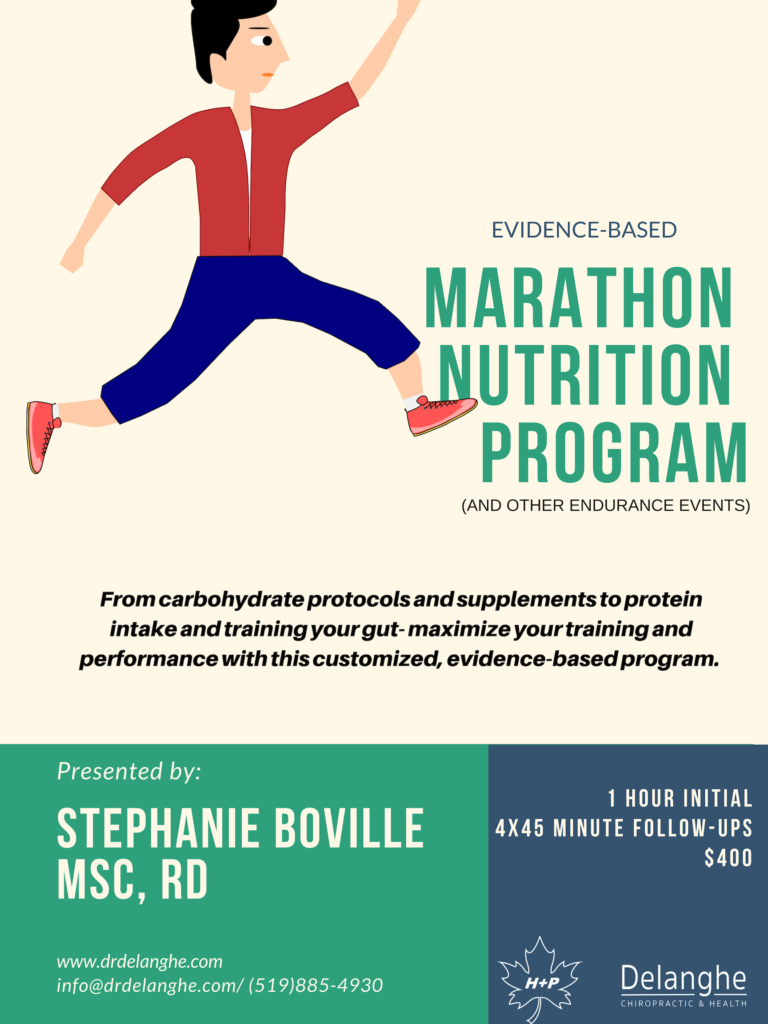
Let us help you take full advantage of what the latest research is showing with regards to endurance sports nutrition!  Stephanie has 6 years of post-secondary education at her disposal.  Learn more about her HERE.  Along with adapting to each individual’s needs, each session will include the following topics (and more):

Session 1: Initial Assessment and Workout Nutrition Optimization (1 hour)

Initial assessment and key initial changes such as protein distribution and pre/post workout.

Session 2: Training the Gut & Nutrition During (45 minutes)

How to train your gut to tolerate more carbs, how and when to take your carbs acutely before and during, how to accurate calculate and plan your fluid intake.

Session 3: Hydration continued and GI distress (45 minutes)

Other factors to consider when optimizing hydration and exactly how to modify your diet in the days leading into race day to decrease the odds of GI distress.  Touch open sleep and recovery.

Session 4: Carb loading (45 minutes)

How to shift your diet away from protein/fats/fibre toward carbs in that week pre-race.  How much and when to eat your carbs in the days leading into your competition.

Session 5: Supplement Review (45 minutes)

Vitamin D, dietary nitrates (beat juice), caffeine, salt pills, Omega-3s and beyond.  What do you need to be taking during?  What do you need to take directly before and during a race?  What actually works, and what should you stay away from?

PLUS:

  • 3 follow up e-mail discussions leading into your 2-3 key races.
  • A custom, detailed carb loading plan leading into your A-races.

This plan will arm you with what the most up-to-date research shows works.  Stephanie will help you ensure that you are properly fuelled and energized for race day so that you can reveal your full fitness potential!  If you are interested for yourself or a loved one, please contact us at (519)885-4930 or info@drdelanghe.com.

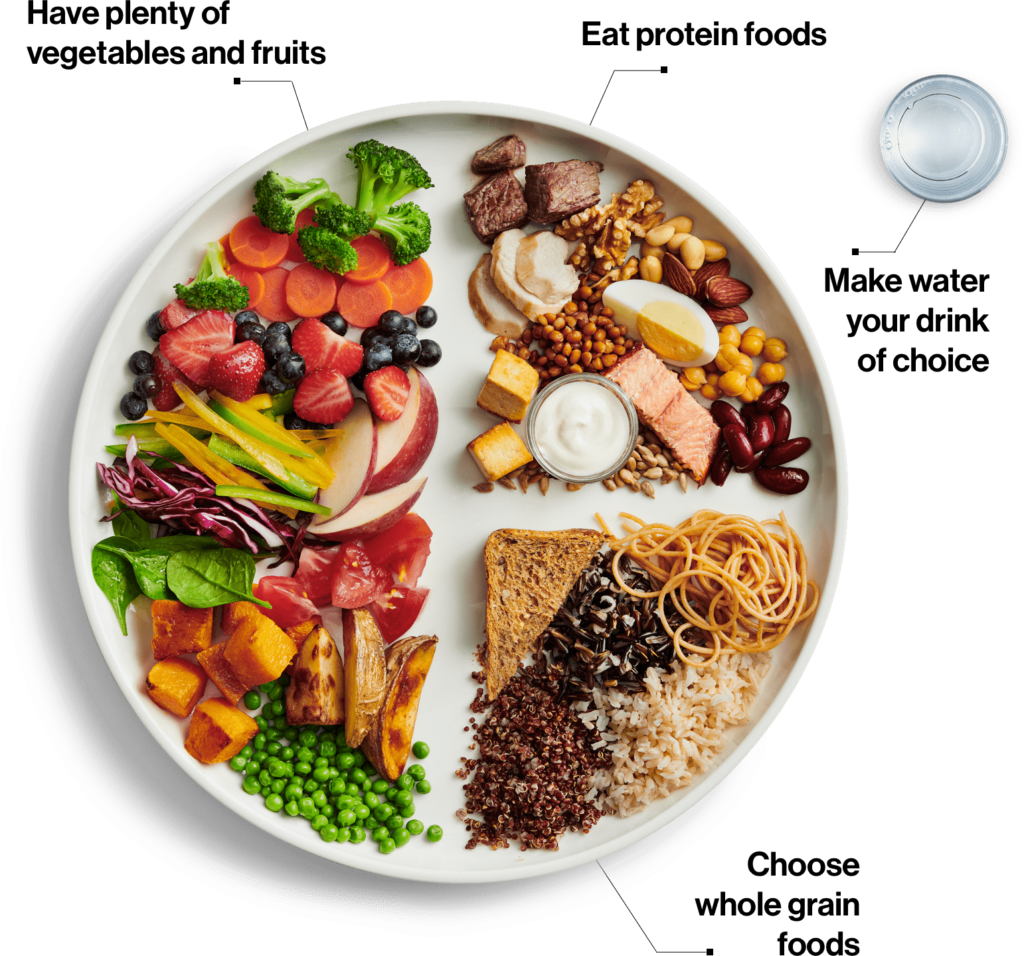
If you haven’t seen it, here it is- Canada’s NEW food guide.   So what exactly are the differences, and has it really changed that much?  Our registered dietitian, Steph Boville, has some thoughts!

foot guide

What I think of the new Canada’s Food Guide

To be perfectly honest, I rarely pulled out the old rainbow Food Guide when talking to my patients. If you don’t remember the old guide, it was a rainbow representing the 4 different food groups which were arranged in order of foods you needed the most servings from to the least. The main focus of the diet was on vegetables and fruit, followed by whole grains, milk and alternatives and finally the food group you needed the least servings of was meat and alternatives. From there they gave guidelines such as eat more vegetables than fruit, eat at least half your grains as whole grains, choose beans and lentils often etc. They then prescribed a number of servings for each food group based on age and gender.

The reason I didn’t use the guide was because it was meant to be an education tool to learn about different food groups and their purpose rather than provide practical steps to get someone to follow the prescribed servings.  Plus, people generally know the focus of their diet should be on vegetables and fruit but this needed to be more visual, practical and user friendly. For these reasons I found easier and more effective ways to communicate the information in the guide in my own way, not to mention nutrition is not a one-size fits all and therefore did not use the guide in my practice.

The New Guide

The new Canada’s Food Guide encompasses many important aspects of eating and also provides consumers with more specific guidelines about foods to choose more or less often in a very visual way. There has been a lot of hype about the new food guide, both good and bad (like everything… everyone has their own opinion!). I honestly think that the information has not changed, rather how it has been communicated has.  These changes in communication have been extremely positive.  The new Food Guide is very similar to values that guide my counselling style and advice.

The visual of the plate, with half the plate covered in a variety of deep colourful vegetables and fruit, a quarter of your plate as your whole, unprocessed grains and starches and a quarter of your plate as your plant or animal protein sources. This communicates very easily and simply how you want your plate to look compared to the prescription like recommended servings of the past Food Guide. The new guide still promotes the same values as before: eat real foods, include lentils and plant proteins, lean proteins, whole grain carbohydrates and more vegetables, with less sodium, saturated fats, processed foods and sugar. All of these values line up with my own personal beliefs and what the evidence shows.

There are a few things I really like about the new guidelines. It is more interactive and web-based rather than a physical pamphlet which may be better for our tech-savvy population. Not only is the visual of the plate very easy to see, understand and apply, but it also acknowledges the social aspect of food and promotes building a healthy relationship with food. This is also a foundational value of Bodzii (personalized nutrition and lifestyle coaching), where we think it is important to have both good food quality and a good food mentality. For example, viewing food in a positive light such as thinking of what a food can do for you, not to you. There is a wide range of information for consumers on practical ways to be mindful of your eating habits, benefits of cooking more often, ways to enjoy your food, benefits of when you eat meals with others, how to use food labels, and how to be aware of food marketing along with much more.

What about the dairy? Everyone is freaking out that dairy is no longer a “food group”. One thing I think the Food Guide needed to do was separate themselves from organizations and give an unbiased, easy to use guide for consumers in which takes “food politics” or influences out of the equation. Dairy is still in the guide, just as the other food groups such as grains and meat and vegetables are. However, there is a shift from food groups to a “macronutrient” like approach. This means that the dairy products are now represented in the protein portion of the plate. This DOES NOT mean that milk is considered unhealthy. As always, milk (soy, pea and cow milk) still provides us with protein, vitamin D and calcium for strong bones, teeth and muscle function.

Overall, the new changes to the Canada’s Food Guide are more in line with I have been teaching and promoting all along. The guide may not satisfy everyone depending on what “nutrition camp” you belong to such as keto, paleo or even elite athletes. It is not meant to be a one size fits all model, rather what the best evidence shows a balanced diet looks like for a healthy normal human. The bottom line is to not over complicate your nutrition. Focus on getting your vegetables, whole grains and lean proteins to meet your needs. Also remember to find ways to enjoy your food and to be mindful of what and how you eat along with striving to enjoy home cooked meals when possible.

I hope this helps to clear up some confusion you may have been experiencing with regards to this new guide.  If you have any additional questions, don’t be afraid to contact me at the clinic! 

wlflyer

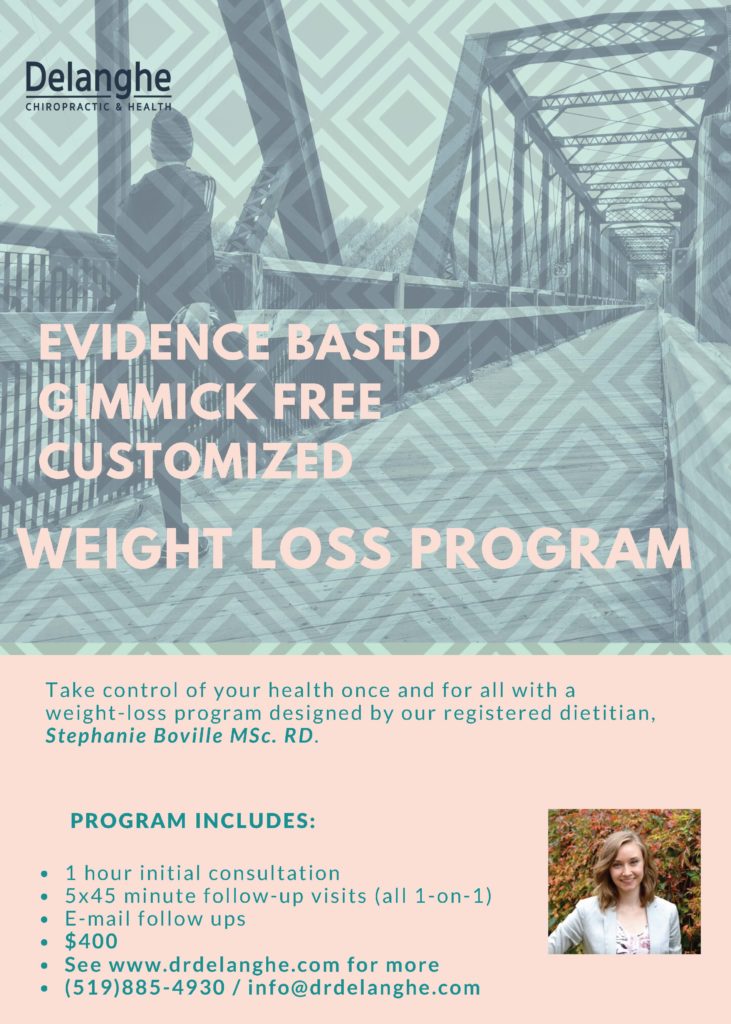
Let us help you take control of your health!  Stephanie has 6 years of post-secondary education at her disposal.  Learn more about her HERE.  Along with adapting to each individual’s needs, each session will include the following topics (and more):

First visit: Initial assessment and diet optimization

Second visit: Science and role of carbohydrates and carbohydrate quality

Third visit: Quality fats, micronutrients and sleep optimization

Fourth visit: Intuitive eating and responding to hunger

Fifth visit: Planning and goal setting for transitioning out of dieting

Sixth visit: Wrap up and measurements

This plan will arm you with what the most up-to-date research shows works.  No fad diets, fasting, cleanses, or cutting out foods you love.  Stephanie will help you conquer your challenges not only from a dietary standpoint, but a biopyschosocial standpoint- your mind and behavior matters if this is going to work!

If you are interested for yourself or a loved one, please contact us at (519)885-4930 or info@drdelanghe.com.

Book your appointment

Contact us to book your next appointment

Call Us 519 885 4930