Waterloo Chiropractor, Waterloo Physiotherapist, and Massage Therapist (RMT)

Category

Other

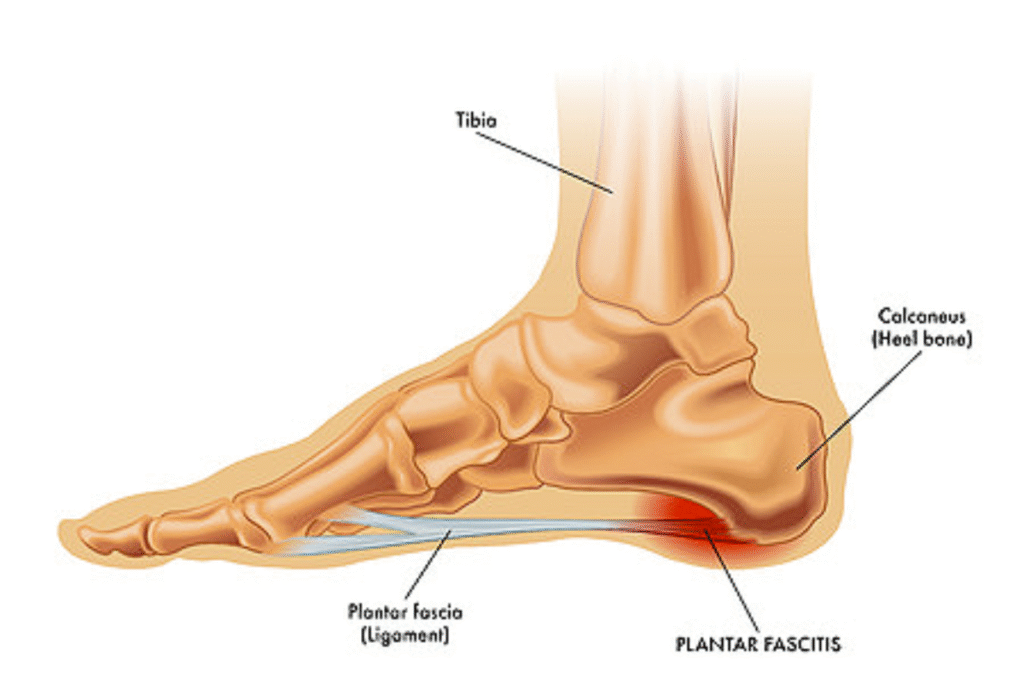
This article examined whether dry needling (DN) is effective for treating plantar fasciitis (PF), a common cause of heel pain. Dry needling involves inserting thin needles into muscle trigger points wth a goal reduce pain and improve movement.

This is not meant to replace more important strategies like load management, strengthening/ rehab etc. But is it actually a useful adjunct to these better supported potions?

Methods

The authors conducted a systematic review and meta-analysis of previously published research.

Major research databases were searched (PubMed, Embase, Web of Science, etc.), and only randomized controlled trials (RCTs) were included.

Study sample

  • 12 RCTs
  • 781 total participants
  • Comparisons included:
    • Dry needling plus routine care (stretching, massage, exercise)
    • Dry needling alone
    • Other conservative treatments without dry needling

Key Findings

Pain Reduction

Dry needling combined with routine treatment resulted in significantly lower heel pain compared to routine treatment alone. Pain was measured using standard tools such as the Visual Analog Scale (VAS) and Numeric Pain Rating Scale (NPRS).

Mean pain score reduction ranged from −1.76 to −2.12 points, which represents a moderate to large clinically meaningful improvement.

Dry needling alone was not consistently superior to other conservative treatments for pain relief- so you still have to do the other stuff!

Functional Improvement

Dry needling combined with routine care led to significant improvements in foot function (measured with the Foot Function Index), and dry needling alone also showed better functional outcomes than other conservative treatments. This suggests dry needling may improve a patient’s ability to walk, stand, and perform daily activities, even when pain reduction is limited.

Timing of Benefits

Improvements were more consistent after one month. Short-term results (less than one month) were mixed, suggesting dry needling is more effective as a medium-term intervention rather than an immediate solution.

Safety and Side Effects

About 50% of the included studies reported minor side effects, most commonly temporary soreness, mild bruising, or minor bleeding at the needle site. No serious adverse events were reported.

Overall Conclusion

Dry needling appears to be a safe and effective treatment option for plantar fasciitis, particularly when combined with routine conservative care, used for at least one month, and aimed at improving both pain and foot function. However, the authors note that study quality varied, sample sizes were relatively small, and more high-quality randomized controlled trials are needed before strong clinical recommendations can be made.

If you have more questions about this therapy, or would like to try it, please contact us or book online HERE!

Does spinal manipulation actually help with acute neck pain? A recent systematic review and meta-analysis took a look HERE.

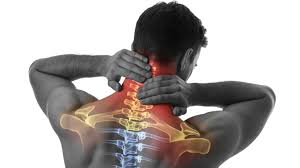
Acute neck pain , meaning neck pain that lasts less than three months, is very common and can lead to disability or persistent problems. The authors wanted to investigate how effective and safe SMT is specifically for acute neck pain, since previous reviews often mixed acute, sub-acute, and chronic cases, which makes interpretation difficult.

Methods
The researchers searched several major databases (PubMed, Embase, Web of Science, PEDro, Cochrane) up to March 20, 2023, for randomized controlled trials (RCTs) involving SMT versus control in adults with acute neck pain lasting less than 3 months. Outcomes of interest were pain intensity, cervical range of motion, and disability. They included 8 RCTs, with a total of 965 patients.

Key Findings

  • Pain: SMT significantly reduced pain compared to controls (mean difference 1.53 points lower on the pain scale, 95% CI 0.83 to 2.22)
  • Cervical range of motion: SMT improved neck movement in all directions (flexion, extension, rotation, lateral flexion). Flexion improved by a mean of 11 degrees (95% CI 9.10 to 12.93)
  • Disability: Patients receiving SMT had lower disability scores than controls (mean difference 6.20, 95% CI 2.59 to 9.81)
  • Safety: No serious adverse events were reported. One patient had a mild, transient arm sensation episode after SMT

Clinical Implications
Despite limitations (small sample sizes in some cases, dose/response not established), the review suggests SMT can be an effective and safe option for acute neck pain: it reduces pain, improves neck movement, and lowers disability in the short term. SMT is best considered alongside other treatments, such as exercise and education.

This study is a good start, but more research is required to determine which patients benefit most, how much and how often it should be performed, and which SMT techniques work best.

If you suffer from neck pain, or have more questions about this study, feel free to contact us HERE.

Our awesome physio, Sayaka, is expecting her second child and needs help keeping her patients strong and healthy!

Sayaka works with a diversity of patients ranging from Parkinson’s rehab, surgical rehab all the way to strength training for athletes. We are looking for somebody who works with a strong emphasis on strength work/ rehab- we want to put that gym space to use!

Some general facts about the job:

  • Flexible hours
  • Expected duration: 1 year
  • Part-time or full time- we will take what we can get if the practitioner is a good fit!
  • Your own treatment room and access to gym space
  • Jane practice software
  • Patient- focused, evidence-based work environment
  • Plenty of parking with store front entrance into the clinic
  • Reception coverage for 40 hours/week with the option to work outside of those hours

There’s always the option to work beyond the locum if it makes sense for all, but for now the focus would be on maintaining Sayaka’s patients and other new physio patients that come into the clinic.

E-mail seandelanghe@gmail.com if you want to learn more!

By: Sayaka Thiessen, Waterloo Physiotherapist

I am sure most of use have experienced a muscle that feels tight and stiff. Most people immediately think to stretch the affected area, but is that always the solution? 


If you have stretched to the ends of the earth but you still feel tight, it might be time to change the approach and try to strengthen it. The sensation of “tightness” doesn’t always mean a short muscle. It could, in fact, mean that the muscle is weak or that a joint lacks motor control and needs to be trained. 


Getting assessed by a healthcare professional, like a physiotherapist, you can determine if stretching, or strengthening, or a combination of the two is the way forward. 

Looking for a physiotherapist in Waterloo? Sayaka might be a good fit for you, read more HERE.

Meet our Waterloo Chiropractor and Physiotherapy Team

Our team of Waterloo Chiropractors, physiotherapists, and registered massage therapists are here to help you get out of pain, and back to the life you enjoy as soon as possible. We use only the necessary treatments, nothing more.

We always take the time to conduct a full history and physical exam to identify exactly what is causing your pain. You will always be provided with a precise diagnosis, an explanation of your injury, a variety of treatment options, and a prognosis so that there are no surprises.

We are Evidence-Based

Our treatments are based on what only the newest and best scientific research is showing- you do not have to be concerned with pseudoscience or poorly understood concepts.

Dr. Sean Delanghe & Dr. Rebecca Blackburn both graduated from the most highly regarded chiropractic school, CMCC.

We strive to prevent recurrence

Our goal is not only to help you become pain-free, but also to stay pain-free.

With every injury, there will always be an option for different interventions to help prevent your injury from returning. This may include options ranging from ergonomic training to custom exercise plans.

Last week I spent most of the week with a mild head cold. Nothing crazy, but enough to motivate me to review my old imtraining-and-performancemunology notes yet again to relearn what I already know (it’s always fun picturing the T-cells destroying the bad stuff). Times like these also motivate me to relearn other things, like how nothing gets rid of a cold other than some basics including: sufficient rest, fluids, stress management and a good diet.

Sometimes when I’m sick, I’ll also scan the literature for new research on the common cold. Usually it’s more of the same: sleep deprivation triggers a depression in immune function, more research is needed to show if supplement X helps, excessive exercise causes a depression in immune function while light exercise may help, and so on.

However, in today’s search, I came across something new that may help us cope with the common cold. The only downside is that this new information applies to a small subset of the population. It fact it’s so specific, it’s almost not worth mentioning and learning…other than the fact that the specific subset I’m referring to is exactly who we are: athletes to train vigorously in cold weather!

What does the science say?

In general, it’s has been proven time and time again that popping vitamins does not help to speed up the recovery associated with the common cold if you are already sick. Long-term supplementation also does not help to prevent the common cold. There is some research suggesting that long term supplementation may reduce the duration of the cold, but that always sounded like a lot of effort and money for a marginal improvement on something
that rarely happens.

So I had long given up on vitamin C. Maintain a healthy diet rich and fruits and vegetables, and that was all I needed in my mind (if I achieve said goal).

Continue reading HERE in the WRS Magazine 

Book your appointment

Contact us to book your next appointment

Call Us 519 885 4930